
Getting a shredder machine set up correctly in a production facility is not a one-step process. It requires deliberate preparation across the workspace, the machine itself, and the operational workflow before the first cycle runs.
Operators who skip steps during initial setup tend to encounter the same avoidable problems repeatedly, from inconsistent output texture to premature component wear to workflow inefficiencies that compound over time.
This checklist is built for operators who want to get the setup right the first time. It covers everything from workspace preparation and machine inspection through to material readiness, operational calibration, and the maintenance habits that protect performance over the long term. Following it in order gives any setting up shredder machine process a clean, controlled foundation.
Workspace Preparation Before Installation
The workspace a shredder machine operates in directly affects how efficiently it runs and how safely operators can work around it. Before any machine is installed, the workspace needs to be evaluated and prepared to support the machine's operational requirements. Skipping this step creates friction in the daily workflow that persists for as long as the machine is in that location.
Floor space, surface stability, proximity to other equipment, and operator clearance are the primary factors to assess. A well-prepared workspace allows the machine to be loaded, operated, and cleaned without the operator having to work around obstacles or in awkward positions that slow the process and increase the risk of handling errors.
Floor Space and Surface Requirements
The machine needs a stable, level surface that can support its weight and absorb the operational vibration produced during shredding cycles without shifting or creating instability.
An unstable surface affects both machine performance and operator safety. Before placing any FUTUROLA shredder machine, confirm that the surface is level and that the machine's feet or base sit flush without rocking.
Clearance around the machine matters as much as the footprint it occupies. Operators need space to load material, collect output, and move around the machine during operation and cleaning. Tight clearance slows every one of those tasks and increases the chance of spillage or handling errors during busy production periods.
Proximity to Other Equipment in the Workflow
A shredder machine sits at the beginning of the processing workflow, and its physical position relative to the next production stage affects how smoothly material moves through the line.
Positioning the shredder too far from the filling station or output collection area creates unnecessary transfer steps that slow throughput and increase the chance of material quality loss between stages.
The ideal workflow layout positions the shredder output directly adjacent to or feeding into the next processing stage.
For operations using FUTUROLA's shredder machines alongside automatic cone filling equipment, aligning the two pieces of equipment to minimize transfer distance and handling is one of the most practical layout improvements available during the setup phase.
Electrical and Power Supply Confirmation
Before operating any electric shredder machine, confirm that the power supply at the installation location matches the machine's electrical requirements.
Running a machine on an incorrect voltage or through an inadequate power connection creates both operational performance issues and safety risks. Verify the power supply specifications against the machine's requirements before the first use.
Extension cord use should be avoided where possible. A direct connection to an appropriately rated outlet is the standard for production equipment, and it ensures consistent power delivery that affects both performance and machine longevity.
If an extension is necessary, it must be rated for the machine's power draw without any reduction in supply quality.
Machine Inspection Before First Use
A thorough inspection of the shredder machine before the first operational cycle confirms that the unit arrived in correct condition and that all components are properly positioned for use. This inspection is a baseline, not just a receiving check.
It establishes what the machine looks like and how it operates when everything is correct, which is the reference point for identifying any issues that develop over time.
Rushing through or skipping the pre-use inspection creates the risk of operating a machine with a component issue that could have been caught and corrected before any production ran through it.
The time investment in a complete inspection before first use is minimal compared to the cost of addressing a machine problem mid-production.
Component Verification and Assembly Check
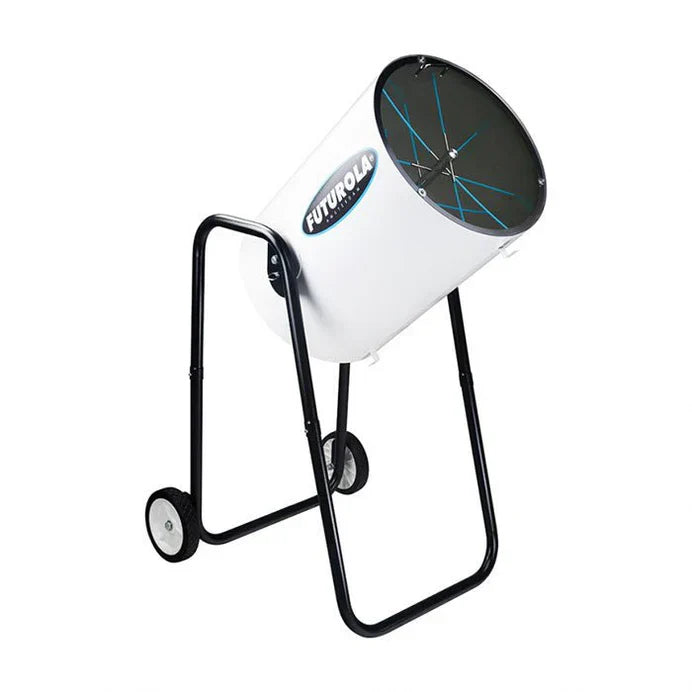
Confirm that all components are present and properly assembled before first use. For the Classic Shredder line, this includes verifying that the blade assembly is correctly mounted, that the feed and output mechanisms are clear and unobstructed, and that any removable components are properly seated.
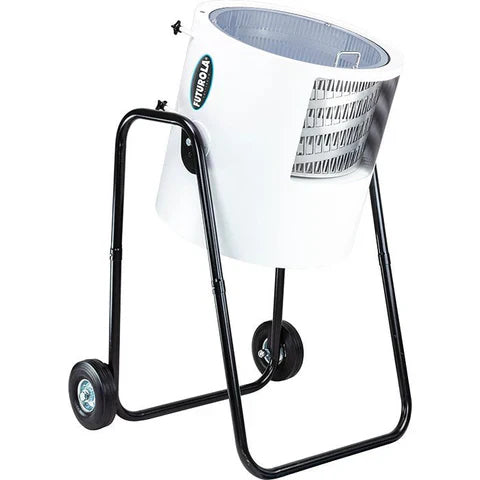
For the Pro Shredder, also confirm that the destemmer and sifting screen barrel are correctly installed and that the screen is undamaged and properly seated in its housing.
Any component that appears misaligned, improperly seated, or physically damaged should be addressed before the machine is operated. Operating a best shredder machines unit with a component issue does not just affect output quality.
It can accelerate wear on surrounding components and create more significant problems than the original issue would have caused if caught early.
Blade Assembly Inspection
The blade assembly is the most critical component to inspect before first use. Confirm that the blades are correctly mounted, properly aligned, and free of any debris or packaging material from transit.
Blades that are misaligned produce uneven shred texture from the first cycle and create wear patterns that reduce blade life faster than correctly aligned components.
For the high quality shredder machine performance that FUTUROLA's design delivers, the blade assembly needs to be in correct condition before any material is processed.
A visual check of the blade alignment and a manual confirmation that the assembly moves freely without obstruction covers this step adequately. If anything looks incorrect, do not run the machine until the issue is identified and resolved.
Cleaning Before Initial Production Use
New machines may have residual manufacturing dust, packaging debris, or assembly lubricants in areas that will contact material during processing.
Running a top quality shredder machine without cleaning these areas first introduces contaminants into the first production batches. A dry wipe-down of all material contact surfaces before first use is a straightforward step that confirms the machine starts clean.
This cleaning step is also the opportunity to familiarize the operator with every surface and component of the machine in a way that makes ongoing cleaning more efficient.
Operators who have thoroughly cleaned a machine at least once know exactly where debris accumulates, which makes the routine cleaning between cycles faster and more thorough than it would be for someone who has only operated the machine without cleaning it.
Material Preparation Standards
The input material going into a shredder machine directly affects the output quality and the wear rate of the machine's components.
Establishing a material preparation standard before the first production run sets the baseline for what consistent output looks like and protects the machine from the additional wear that variable or improperly prepared material creates.
Material preparation is not a single step. It covers moisture content, stem content, and the physical condition of the material going into the machine. Each of these factors affects how the machine processes the material and what the output texture looks like at the end of the cycle.
Moisture Content Calibration
Material moisture content affects shred texture more than most operators initially expect. Material that is too dry shreds into fine powder that compacts too tightly in the final product and creates dust buildup in the machine that accelerates cleaning frequency.
Material that is too moist clumps during processing, reduces shred consistency, and leaves residue on the blade assembly that affects performance between cleanings.
The target moisture content for consistent shredding is a range that produces a medium, fluffy output texture. Operators setting up a shredder machine for the first time should run a small test batch before committing to a full production cycle to confirm that the material going in produces the output texture the workflow requires.
Adjusting moisture content before full production runs rather than during them prevents inconsistent batches from entering the product line.
Stem Content and Pre-Sorting
For Classic Shredder operations, pre-sorting significant stem content from the material before loading reduces wear on the blade assembly and improves output consistency. Stems process differently than flower material, and large quantities of stem content in the feed can create load variations that affect shred uniformity across the cycle.
For operations using the Pro Shredder with the destemmer attachment, the automated destemming function handles this within the processing cycle itself. The destemmer is one of the key features that makes the premium shredder machine Pro line the right choice for operations where stem content is a consistent characteristic of the input material.
Operators using the Classic line should include stem pre-sorting as a standard material preparation step.
Operational Calibration for the First Production Run
Running the first production cycle as a calibration exercise rather than a full production run is the approach that confirms the machine is performing correctly before output enters the product line.
A calibration run uses a representative sample of the production material and checks the output against the target shred texture specification before full volume is committed to the machine.
This step catches machine setup issues, material preparation issues, and workflow integration issues before they affect full production output.
It takes a fraction of the time that identifying and correcting problems mid-production would require, and it gives operators a clear, verified baseline for what correct performance looks like from this specific machine with this specific material.
Running a Test Batch
Load a small amount of prepared material and run the machine through a full cycle at the intended operational settings.
Collect the output and evaluate the shred texture against the target specification. Is the texture consistent across the sample? Are there large chunks mixed with finer material? Is the output too fine or too coarse relative to the target?
An effective shredder machine setup produces output that matches the target texture on the calibration run without requiring adjustments. If the output does not match the target, identify whether the issue is in the material preparation, the machine settings, or a component alignment issue before proceeding to full production volume.
Resolving calibration issues before full production prevents an entire batch from needing to be reprocessed.
Confirming Integration With Downstream Equipment
The calibration run is also the opportunity to confirm that the shredder's output integrates correctly with the next stage of the production workflow.
If filling equipment follows the shredder, run the calibration output through the filling machine and check whether the fill consistency meets the production standard.
If it does not, adjusting the shred texture at the calibration stage is far more efficient than discovering the incompatibility mid-production.
FUTUROLA Shredders are engineered to produce output that works directly with filling machines and downstream production equipment.
Confirming that integration during the initial setup and calibration stage, rather than assuming it will work, is the professional standard for setting up a production workflow that runs smoothly from the first full production day.
Final Thoughts on Setting Up Shredder Machines
Setting up a shredder machine correctly is the decision that determines how the machine performs for every production run that follows.
Workspace preparation, machine inspection, material preparation standards, operational calibration, and maintenance routine establishment are not optional steps. They are the foundation of consistent output quality and equipment longevity.
FUTUROLA's shredder machines, across the Classic line from Mini to Mega and the Pro Shredder line with destemming and sifting capabilities, are built with the precision and durability to perform at a high standard when set up and operated correctly.
The setup process is where that performance standard is established, and following this checklist is how operators make sure it starts right and stays right.
FAQs
What should be checked on a shredder machine before the first production run?
Before the first run, verify that all components are correctly assembled and free of transit debris, confirm the blade assembly is properly aligned and unobstructed, and wipe down all material contact surfaces to remove any manufacturing residue. Running a small calibration batch before full production confirms that the machine is performing correctly and that the output texture matches the production specification.
How should material be prepared before loading into a shredder machine?
Material should be at the appropriate moisture content for the target shred texture, free of significant stem content for Classic Shredder operations, and consistent in condition across the batch. Variable moisture content or inconsistent material condition produces uneven output texture and increases component wear, so establishing a material preparation standard before production begins is one of the most impactful setup steps.
How often should a shredder machine be cleaned during production?
Cleaning frequency should match production frequency. Machines running continuously through multiple shifts require between-cycle cleaning after each production run and a thorough end-of-shift deep clean that covers every component. Operators who build cleaning into the workflow from the first production day consistently maintain better output consistency and longer equipment life than those who clean reactively.
What is a calibration run and why is it important for setup?
A calibration run is a small test batch processed through the machine before full production begins, used to confirm that the output texture matches the production specification and that the machine integrates correctly with downstream equipment. It identifies material preparation issues, machine setting issues, or component alignment problems before they affect full production output, saving significant rework time compared to discovering those issues mid-production.
Does the Pro Shredder require additional setup steps compared to the Classic Shredder?
Yes. The Pro Shredder's destemmer and sifting screen barrel require inspection during the pre-use check to confirm correct installation and that the screen is undamaged and properly seated. The sifting screen should also be included in between-cycle cleaning to maintain classification accuracy. These additional components add setup and maintenance steps that operators should account for when establishing the operational routine.


LEAVE A COMMENT
All comments are moderated before being published.
This site is protected by hCaptcha and the hCaptcha Privacy Policy and Terms of Service apply.