
Filling pre-rolled cones can happen one of two ways: by hand, relying on manual technique and repetition, or through a mechanical process built to handle that same task with less variation.
Comparing a dutch crown device vs hand filling comes down to understanding what each method actually asks of the person or facility running it, and what tradeoffs come with either choice.
This piece breaks down how the two approaches differ across speed, consistency, and physical effort, along with where each one tends to make the most sense.
For operators weighing equipment options, reviewing the specifications across FUTUROLA's Knockbox Series can offer useful context before deciding.
Understanding the Two Filling Approaches
Before comparing outcomes, it helps to look at what each method actually involves at a basic level. Hand filling relies entirely on manual technique, while the dutch crown device introduces a mechanical step into that same task.
The core objective, an evenly packed cone, stays the same across both methods, but how each one gets there looks quite different.
That difference in process is what ends up shaping most of the practical tradeoffs between the two. Understanding those mechanics first makes it easier to see why one method might suit a given operation better than the other.
What Hand Filling Involves
Hand filling means loading ground material into pre rolled cones manually, typically using fingers or a small tool to pack material down and shape the fill as it goes.
This process gives the person filling the cone direct control over how tightly packed each one becomes, which can be an advantage for highly customized runs. It also means every cone depends on the technique and attention of whoever is doing the filling at that moment.
Because hand filling relies on repeated manual motion, it tends to work best for smaller quantities where variation between cones matters less, or where a facility wants close control over each individual fill.
As the number of cones per session grows, though, hand filling starts to demand more time and more physical effort to maintain the same standard across every cone.
What the Dutch Crown Device Changes About the Process
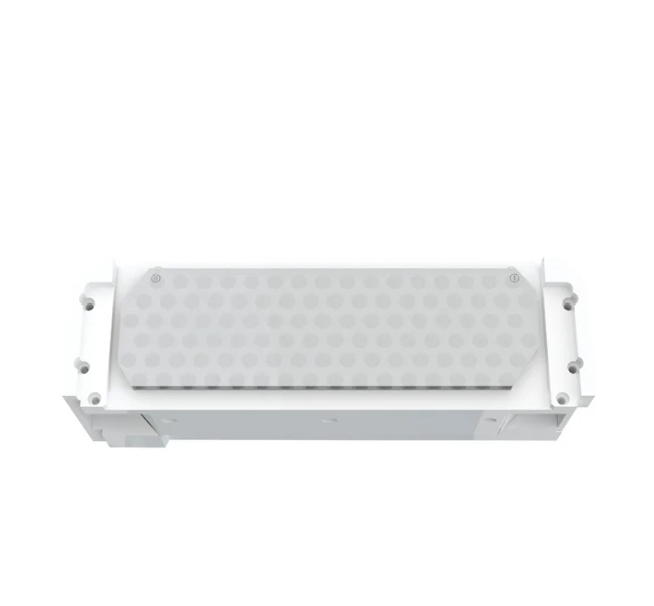
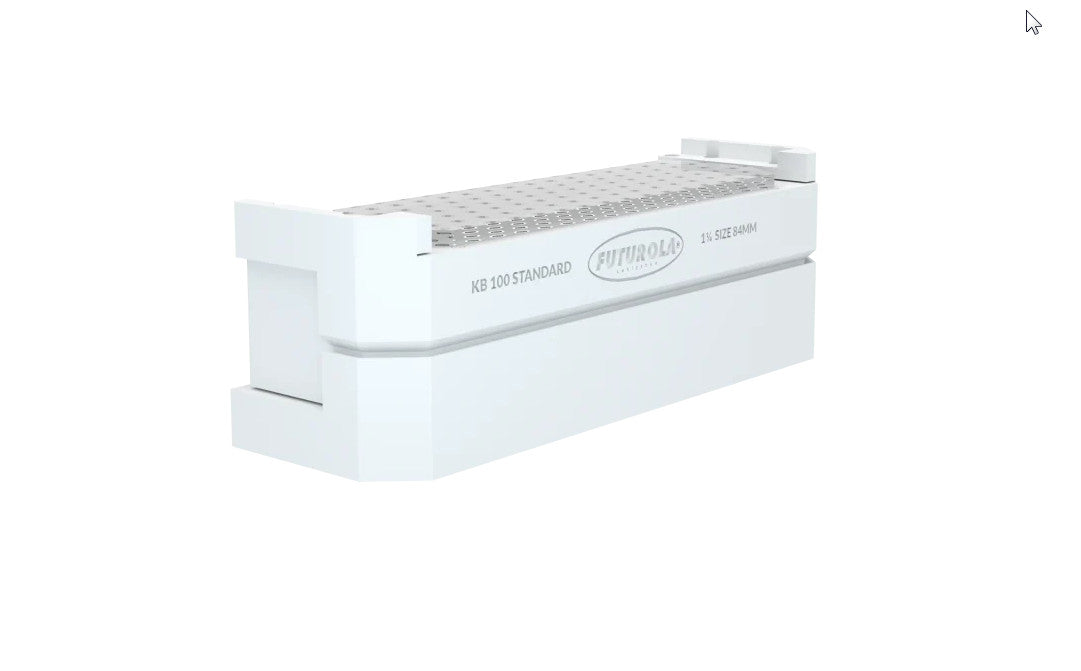
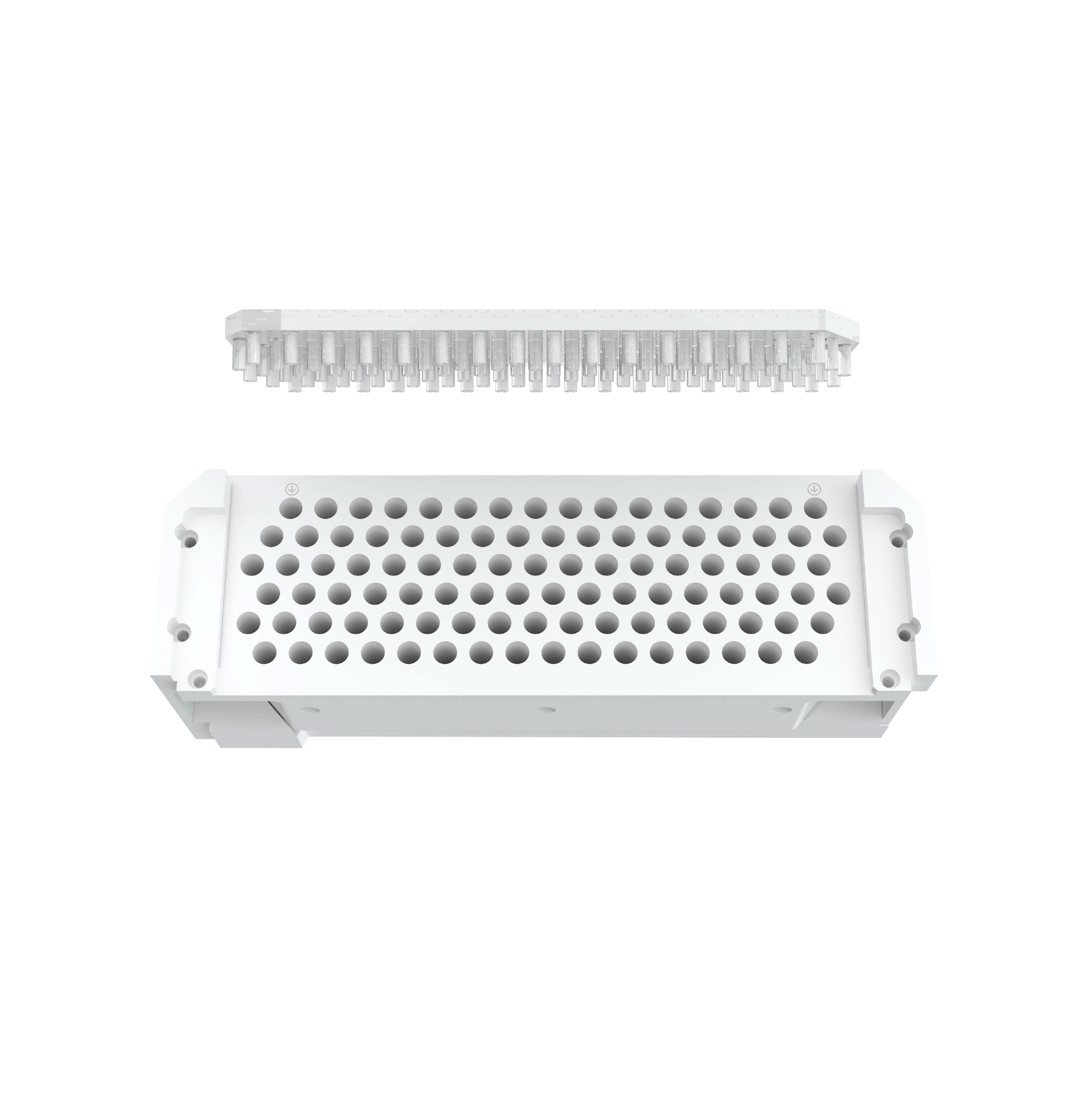
The dutch crown device replaces manual packing with a mechanical filling process. Ground material is loaded into a tray, cones are positioned below it, and the device distributes that material into each cone using a consistent mechanism rather than individual hand motion.
This shifts the source of consistency from a person's technique to the machine's design, which changes how predictable results are from one cone to the next.
This mechanical approach doesn't eliminate the need for good material preparation or careful setup, but it does remove the variability that comes from human fatigue or inconsistent technique across a long session.
That shift is often the biggest practical difference operators notice once they move from filling by hand to using a device built for the task.
Key Differences Between the Two Methods
With the basic mechanics understood, the more useful comparison is how each method performs across the factors that actually matter for production.
Speed and Output Per Session
Hand filling is inherently limited by how quickly a person can pack, adjust, and finish each individual cone, which caps output per session regardless of effort. The dutch crown device fills an entire tray of cones in a single mechanical cycle, which produces a much higher output per session than manual filling can typically achieve. For operations filling small numbers of cones occasionally, this speed difference may matter less, but it becomes significant as volume grows.
Session length also plays a role here. A short hand-filling session might not show much of a speed gap compared to a device, but as sessions stretch longer, the device's consistent cycle time keeps producing results at the same pace, while manual speed tends to slow as fatigue sets in.
Consistency and Fill Quality
Consistency is where the two methods diverge most clearly. Hand filling depends on the steadiness and attention of whoever is doing the packing, which means fill quality can vary even within a single session, particularly as hours pass and attention wanes.
Cones, formed from rolling paper, respond directly to how evenly material settles inside them, so any variation in packing pressure or technique shows up in the finished product.
The dutch crown device applies the same mechanical process to every cone in a cycle, which tends to produce more uniform results across an entire run.
This doesn't mean hand filling can't produce excellent individual cones, but maintaining that same standard across dozens or hundreds of cones becomes harder to guarantee by hand than through a repeatable mechanical process.
Physical Effort and Fatigue Over Time
Hand filling is physically repetitive work, and that repetition adds up over the course of a session. Fingers and hands doing the same motion for an extended period tend to tire, which can affect both the speed and the consistency of later cones in a session compared to the first ones filled. This fatigue factor is one of the more overlooked differences between the two methods, since it affects output quality in ways that aren't always obvious until a session runs long.
The dutch crown device removes this fatigue variable from the equation entirely, since the mechanical process performs the same motion regardless of how many cycles have already run. For facilities running long sessions or multiple sessions per day, this can make a meaningful difference in how consistent output stays from start to finish.
When Hand Filling Still Makes Sense
Despite the differences above, hand filling remains a reasonable choice in certain situations rather than something to avoid outright.
Small, Occasional Runs
For very small batches filled infrequently, the speed and consistency advantages of a device may not outweigh the simplicity of filling by hand. A facility producing a handful of cones occasionally may find that manual filling gets the job done without needing to invest in or maintain additional equipment.
In these cases, the tradeoffs that matter most at scale, fatigue, speed, and long-run consistency, simply don't come into play in the same way, since the volume and frequency stay low enough that manual variation has less room to compound.
Custom or Highly Variable Orders
Hand filling can also make sense for highly customized orders where each cone might need a different fill approach.
Operations exploring best pre rolled cones for specialty or one-off runs sometimes prioritize the flexibility of manual control over the speed of automation, particularly when orders vary significantly from one to the next.
That flexibility comes with a tradeoff in throughput, though, so it tends to work best for operations where customization matters more than volume.
When the Dutch Crown Device Is the Better Fit
For many operations, the practical advantages of mechanical filling outweigh the flexibility of manual technique, particularly as volume and consistency requirements increase.
Recurring Production Schedules
Facilities with a consistent, repeating production schedule tend to benefit most from switching to a mechanical process. Since the dutch crown device performs the same way across every session, it removes the day-to-day variability that comes from relying on manual technique, which becomes especially valuable when the same standard needs to hold up week after week.
Facilities Prioritizing Consistency
Operations that prioritize uniform fill quality across every cone, regardless of who is running a session or how long it lasts, tend to find that a mechanical process better supports that goal.
Facilities evaluating a knockbox for filling as a step up from manual production can compare the different base sizes across the Knockbox Series to find a capacity that matches their typical session size.
Final Thoughts
Choosing between a dutch crown device and hand filling comes down to matching the method to actual production needs rather than assuming one approach is universally better. Hand filling still has a place for small, occasional, or highly customized runs, while the dutch crown device offers clear advantages in speed, consistency, and reduced physical effort as volume and session length increase.
Reviewing the specifications across the Knockbox Series is a practical next step for any operation weighing this decision based on its own production patterns.
FAQs
Is hand filling less accurate than using a dutch crown device?
Hand filling can produce accurate individual cones, but maintaining that same accuracy across an entire session becomes harder as fatigue and repetition set in, which is where mechanical filling tends to hold a consistency advantage.
How much faster is a dutch crown device compared to hand filling?
Output varies by model and session length, but a device fills an entire tray in a single mechanical cycle, which generally produces significantly higher output per session than manual filling.
Does switching to a dutch crown device eliminate the need for skilled labor?
Not entirely. Material preparation, machine setup, and quality checks still require attention, though the physical repetition of manual filling is removed from the process.
Is hand filling ever more cost effective than using equipment?
For very small, infrequent runs, hand filling can avoid the upfront cost of equipment, though this advantage tends to shrink as volume or frequency increases.
Can hand filling and a dutch crown device be used together in the same facility?
Yes. Some facilities use hand filling for custom or small specialty orders while relying on a device for their higher volume, recurring production needs.

LEAVE A COMMENT
All comments are moderated before being published.
This site is protected by hCaptcha and the hCaptcha Privacy Policy and Terms of Service apply.