
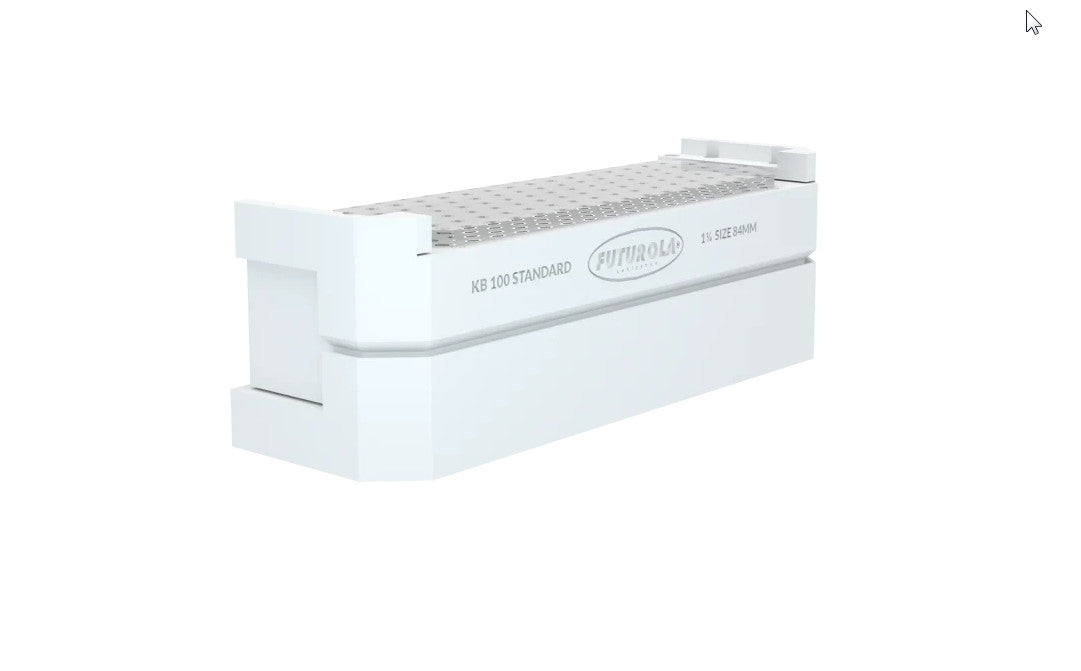
Large scale production changes the math on nearly every part of an operation. Orders arrive in bigger numbers, timelines get tighter, and equipment either keeps up with that pace or becomes the bottleneck holding everything else back.
For operators evaluating a dutch crown device for large scale production, the decision comes down to whether the equipment can genuinely support that volume without sacrificing quality along the way.
This piece looks at what large scale production actually demands, how the dutch crown device holds up under that demand, and what factors are worth weighing before making the investment.
Reviewing the specifications available through FUTUROLA's Knockbox Series can offer a useful starting point for operators comparing capacity levels.
Understanding the Dutch Crown Device in High Volume Settings
Filling equipment built for high volume work is judged by a different standard than equipment meant for occasional or modest runs. Consistency has to hold up not just across one tray, but across dozens of trays run back to back over the course of a shift.
Speed matters too, but not at the expense of even fills, since a fast machine that produces inconsistent results ends up creating more rework than it saves in time. The dutch crown device was designed with this balance in mind, aiming to keep both speed and precision intact as output scales upward.
That balance becomes especially important once a facility moves beyond small, irregular batches and into a steady, repeating production schedule, since equipment that performs well in short bursts doesn't always hold up when asked to run continuously for hours.
What Large Scale Production Demands From Equipment
Large scale production typically means filling several hundred to several thousand cones across a single shift, often on a tight, recurring schedule.
This kind of volume introduces demands that smaller operations rarely face, including sustained uptime, minimal downtime between cycles, and a filling process that doesn't degrade in quality after hours of continuous use.
A facility producing at this scale needs equipment built to handle wear over time, not just short demonstrations of capability.
Consistency across an entire production run matters just as much as raw speed, since even small variations in fill quality multiply quickly at high volume, turning a minor inconsistency into a much larger quality control issue.
Equipment intended for pre rolled cones at this scale needs to maintain the same standard on cone number four thousand as it did on cone number one.
How the Dutch Crown Device Is Built to Meet That Demand
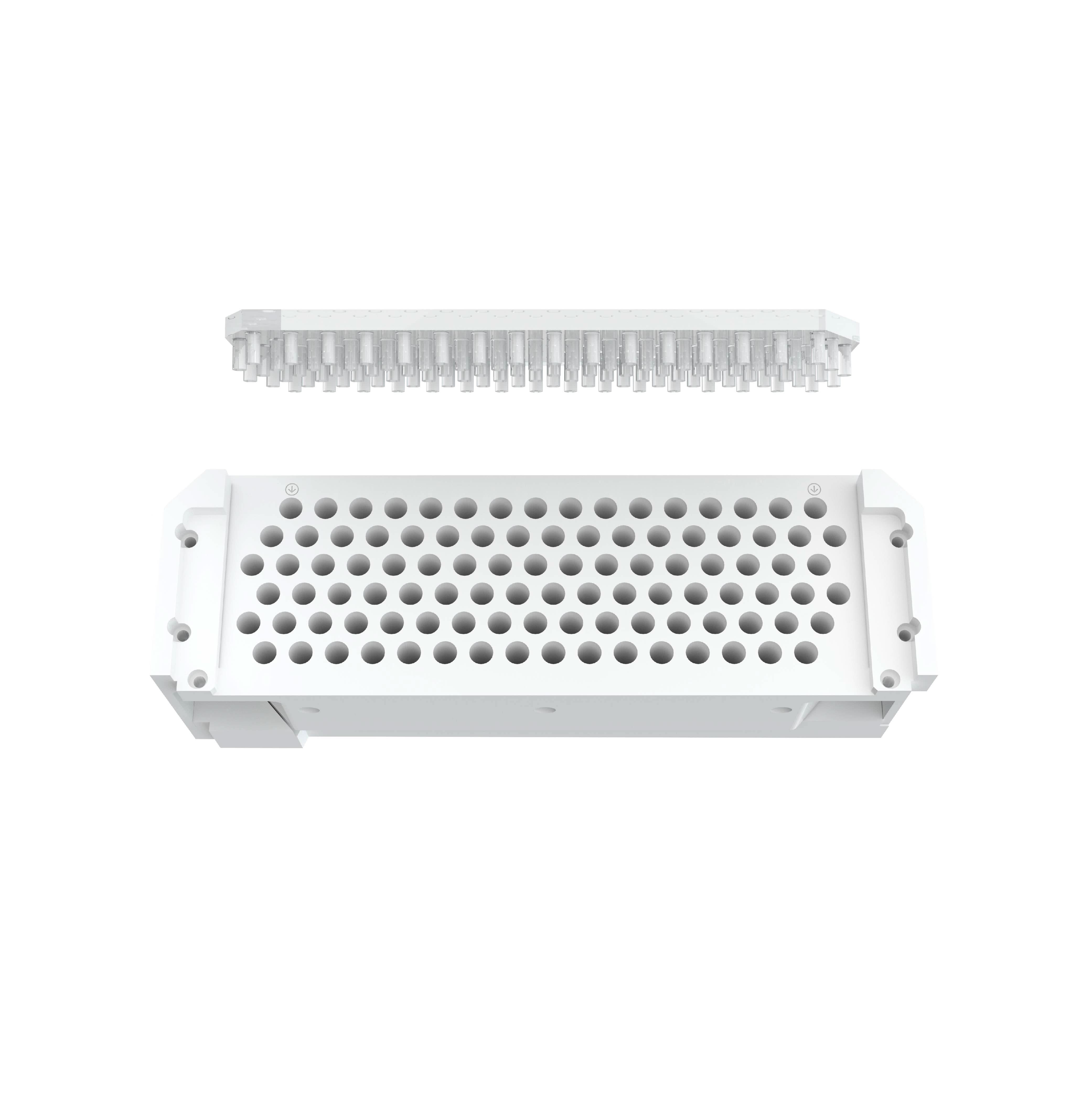
The dutch crown device distributes ground material across a tray of cones using a mechanical filling process, relying on the same mechanism regardless of how many cycles have already run that day.
Because the filling method doesn't rely on manual pressure or judgment, it isn't subject to the fatigue that affects hand filling over long stretches. Cones, formed from rolling paper, are loaded into position ahead of each cycle, and the distribution process settles material into them at a consistent rate whether it's the first tray of the day or the fiftieth.
This design matters most in facilities running multiple shifts or extended hours, where equipment reliability becomes as important as raw output numbers, since a machine that slows down or loses precision partway through a long run creates costly interruptions.
Key Factors to Weigh Before Scaling Up
Moving to large scale production isn't just a matter of buying bigger equipment. A few practical factors determine whether the investment actually pays off once real production volume kicks in.
Production Volume and Throughput Requirements
Actual throughput needs should drive equipment selection more than general ambition. An operation aiming to fill several thousand cones weekly has very different equipment requirements than one running smaller, occasional large batches. Calculating realistic weekly or monthly output, based on current and projected orders, gives a clearer picture than simply choosing the highest capacity option available.
Overestimating volume can lead to equipment that sits underused for much of the week, while underestimating it creates bottlenecks once demand catches up, so matching capacity to a realistic, data backed projection tends to produce better long-term results than guessing based on future hopes.
Facility Space and Workflow Integration
Large scale equipment tends to have a larger physical footprint, and that footprint needs to fit into a broader production line rather than stand alone. Considering how the dutch crown device integrates with grinding, loading, and packaging stations helps avoid a setup where one piece of equipment becomes disconnected from the rest of the workflow. Clearance for staff movement, material staging, and maintenance access all factor into whether a facility can genuinely support high volume equipment.
Workflow layout affects efficiency just as much as the equipment itself, since a well-positioned machine that flows naturally into the next production stage saves time that a poorly placed one, however capable, ends up losing to unnecessary handling.
Budget and Return on Investment
Large scale equipment carries a higher upfront cost, but the return on that investment tends to show up faster at higher volumes, since labor savings become more significant as batch sizes grow and automation replaces hours of manual work that would otherwise scale directly with order size.
Facilities scaling quickly should also factor in future growth when calculating return on investment, since equipment purchased for today's volume that also accommodates near-term growth tends to deliver better long-term value than equipment needing replacement within a year or two.
Performance of the Dutch Crown Device at Scale
How a machine performs under sustained, high volume conditions is the real test of whether it belongs in a large scale operation.
Fill Consistency Across High Volume Runs
Fill consistency at scale is where equipment quality becomes most visible. Because the dutch crown device relies on the same mechanical distribution process regardless of cycle count, output quality tends to hold steady across long runs rather than degrading as the day goes on. This consistency reduces the amount of quality control rework needed at the end of a shift, since fewer cones require adjustment or refilling.
Facilities running multiple daily cycles benefit most from this kind of reliability, since even a small drop in consistency compounds quickly across thousands of units, reducing both waste and staff time spent correcting inconsistent output.
Speed and Cycle Efficiency
Cycle speed matters more directly at large scale than it does in smaller operations, since even small time savings per cycle add up significantly across a full day of production. The dutch crown device is built to minimize the gap between loading, filling, and unloading stages, which keeps cycle time tight without sacrificing fill quality.
Facilities evaluating a knockbox for filling at higher capacities can compare cycle times across the different base sizes in the Knockbox Series to match equipment to their specific throughput goals.
Reducing cycle time isn't just about the machine itself, since staff training and workflow organization around the equipment also play a role in how efficiently a facility can move from one batch to the next.
Practical Tips for Large Scale Operators
A few operational habits help large scale producers get consistent results from the dutch crown device across extended, high volume use.
Preparing Material for Continuous Runs
Material consistency becomes more important, not less, as volume increases.
A steady, medium grind that settles predictably into cones helps maintain fill quality across long runs, while inconsistent grind texture creates variability that compounds across thousands of cycles.
Facilities aiming for best pre rolled cones at scale often build grind quality checks directly into their production schedule rather than treating it as an afterthought.
Batching material preparation ahead of a production run, rather than grinding in small increments throughout the day, also helps maintain a steady pace without delays between cycles.
Maintenance Under Heavy Use
Equipment running continuously accumulates wear faster than equipment used occasionally, which makes a regular maintenance schedule essential rather than optional.
Cleaning between cycles prevents material buildup from affecting fill accuracy over time, while routine inspection of moving parts helps catch small issues before they become larger, more disruptive ones.
Keeping a log of maintenance activity helps identify patterns over time, such as parts that wear faster under a facility's specific pace, which can inform when to order replacements before a breakdown interrupts a run.
Final Thoughts
Choosing a dutch crown device for large scale production comes down to matching equipment capability to real, sustained volume rather than short-term output alone. Facilities running consistent, high volume schedules tend to benefit most from the mechanical reliability and fill consistency the device offers across extended use. Getting clear on actual throughput needs, facility space, and budget before committing helps ensure the investment supports production rather than sitting oversized or underused.
Reviewing the different capacity options across the Knockbox Series is a practical next step for any operation planning a move into higher volume production.
FAQs
How much volume qualifies as large scale production?
There's no fixed threshold, but large scale production generally refers to operations filling several hundred to several thousand cones per shift on a consistent, recurring basis.
Does the dutch crown device lose consistency during long runs?
The mechanical filling process is designed to maintain consistent output regardless of cycle count, which helps reduce the quality variation that can occur with manual filling over extended periods.
What's the biggest factor in choosing equipment for large scale production?
Matching equipment capacity to realistic, data backed throughput needs tends to matter more than choosing the highest capacity option available.
How does facility layout affect large scale equipment performance?
Equipment that integrates smoothly with grinding, loading, and packaging stations tends to perform more efficiently than equipment that operates as a disconnected step in the workflow.
Is large scale equipment worth the higher upfront cost?
For operations with consistent, high volume output, labor savings and reduced production time often offset the higher initial investment faster than they would in smaller scale operations.

LEAVE A COMMENT
All comments are moderated before being published.
This site is protected by hCaptcha and the hCaptcha Privacy Policy and Terms of Service apply.