
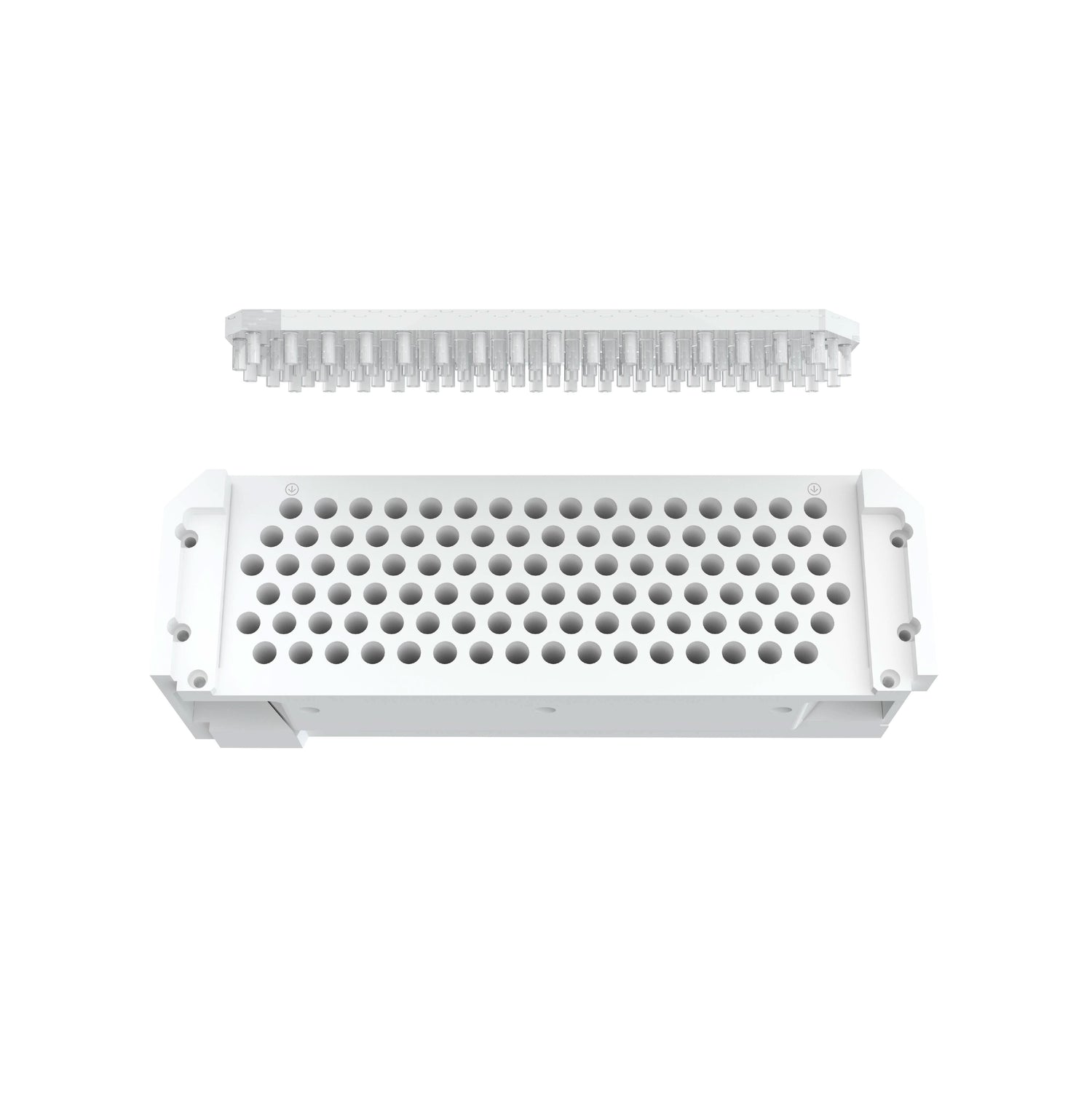
Small batch production has its own rhythm. Orders come in smaller runs, timelines shift week to week, and the equipment on hand needs to match that pace without sitting idle or overwhelming the space it occupies.
For operators working at this scale, the dutch crown device for small batches is a question worth slowing down on before any purchase decision gets made.
This piece looks at what the dutch crown device actually does, how it performs when output stays modest, and what to weigh before bringing one into a smaller operation. Some setups genuinely benefit from this kind of equipment, while others may find their current process is already suited to their volume.
For anyone comparing filling equipment options right now, a closer look at the specifications available through FUTUROLA's Knockbox Series can offer useful context before moving forward.
Understanding the Dutch Crown Device and Its Purpose
Before deciding whether a dutch crown device fits a small batch workflow, it helps to understand what the device is built to do in the first place. It belongs to a category of filling equipment designed to load pre-rolled cones with ground material in a repeatable, controlled way.
Rather than pressing material into each cone by hand, the device distributes it across a tray of cones through a mechanical filling process, with consistency as the goal from one cone to the next. How evenly that material settles inside also affects the finished look and burn quality of the final product.
That consistency matters just as much at low volumes as it does at high ones. A facility producing twenty pre-rolls a week still wants each one to settle the same way as the last, and the dutch crown device was built around that principle rather than sheer throughput alone.
What Small Batch Production Looks Like in Practice
Small batch production tends to describe operations filling anywhere from a few dozen to a few hundred pre rolled cones in a single session, often on an irregular schedule.
These might be craft producers, boutique brands, or facilities still in an early growth stage, where the defining trait isn't the number of cones but the pace and predictability of demand.
This kind of variability changes what operators need from their equipment.
A machine built for nonstop, high volume output isn't always the best match for a schedule that starts and stops, since small batch producers often prioritize flexibility and a manageable footprint over raw throughput.
Where the Dutch Crown Device Fits Into That Process
The dutch crown device sits at the filling stage of production, after material has been ground and cones, formed from rolling paper, have been loaded into position.
Operators load the ground material into the device, activate it, and the mechanism distributes that material into the cones below. For small batch runs, this stage can either be the fastest part of the process or the slowest, depending on whether the equipment matches the volume being produced.
The core question worth asking isn't whether the dutch crown device works, but whether its scale lines up with the volume a given facility actually produces.
Key Considerations Before Choosing Equipment for Small Batches
Deciding whether the dutch crown device for small batches makes sense requires looking past the equipment itself and toward the operation using it.
A few practical factors tend to determine whether this kind of investment pays off or sits underused in a corner of the facility.
Production Volume and Frequency
Volume is the most obvious factor, but frequency matters just as much. An operation filling five hundred cones once a month has different needs than one filling fifty cones every single day, and the value of automation becomes more apparent as sessions repeat more often.
Mapping out actual production frequency over a typical month tends to produce a clearer answer than volume figures alone.
Available Facility Space
Space constraints shape equipment decisions more than most people expect going in.
The physical footprint of a filling device, along with the space needed around it for loading and unloading, needs to be measured against what's actually available.
A device that requires a dedicated station may not suit an operation working out of a shared or multi-purpose space, so checking dimensions and clearance requirements before purchase avoids equipment that looks fine on paper but doesn't comfortably fit the room.
Budget and Long-Term Value
Cost is rarely just about the sticker price. It includes maintenance, replacement parts, and how long the equipment stays useful as the operation grows or changes.
Weighing upfront cost against projected output over the next year or two gives a more realistic picture than looking at price alone, and some operations find that starting smaller and upgrading later makes more sense than committing to larger equipment upfront.
How the Dutch Crown Device Performs in Small Batch Settings
Performance at smaller volumes looks different than performance at scale, which is worth examining directly rather than assuming a machine built for larger runs simply performs the same way in miniature.
Fill Consistency at Lower Volumes
One advantage often reported with the dutch crown device is that fill consistency doesn't waver much between a small run and a larger one.
Because the filling mechanism relies on the same distribution process regardless of tray size, a batch of fifty cones tends to come out as evenly packed as a batch of several hundred.
This benefit is most noticeable compared against manual filling, where fatigue and inconsistency tend to creep in over a session.
Setup and Turnaround Time
Setup time is where scale starts to matter more directly. Loading material, positioning cones, and preparing the device for a run takes roughly the same amount of time whether the batch is small or large, which can make the per-cone time investment feel higher at lower volumes.
Operators who batch multiple small runs together, rather than starting and stopping constantly, tend to get more value out of the setup time involved.
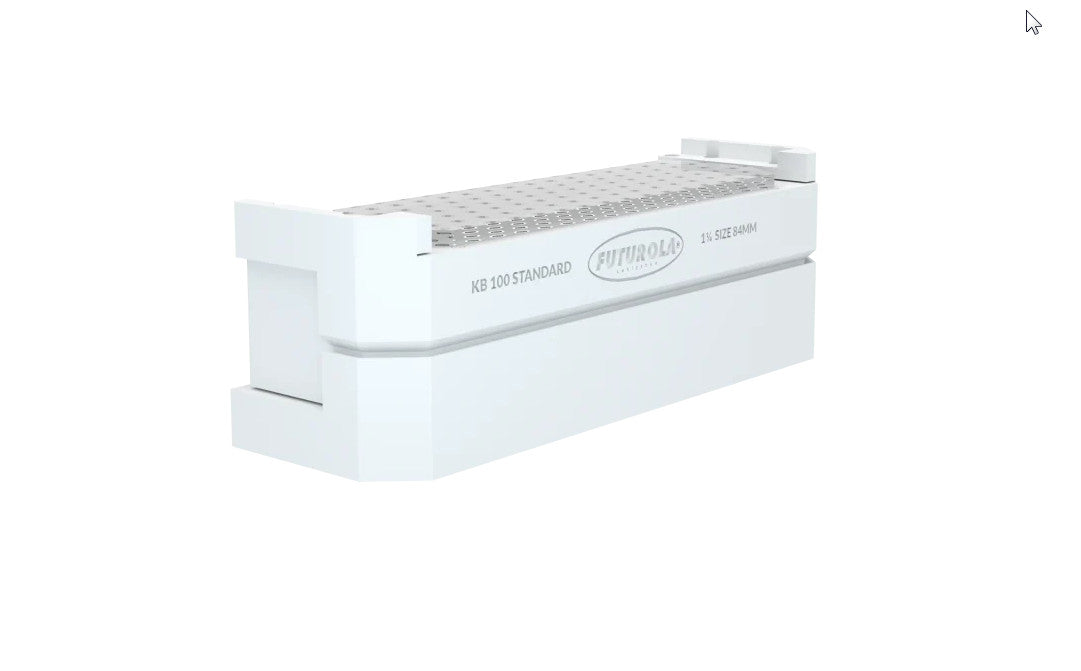
Those exploring equipment options for their own facility can review a Knockbox for filling across the different base sizes in the Knockbox Series to see which capacity lines up with a workable small batch rhythm.
Practical Tips for Small Batch Operators
For operations that decide the dutch crown device is a reasonable fit, a few practical habits help make the most of it given the lower frequency of use that small batch production often involves.
Preparing Material for Consistent Results
Material preparation matters just as much at small volumes as it does at large ones. A medium, evenly ground consistency tends to settle more predictably into cones, and skipping this step can lead to uneven fills that undercut the very consistency the device is meant to provide.
Taking the extra few minutes to check grind quality before each small batch session tends to pay off in the finished product, and pairing that consistency with best pre rolled cones helps ensure the final result holds up from the outside in as well.
Final Thoughts
Whether the dutch crown device for small batches makes sense comes down to matching equipment to actual production patterns rather than following a general assumption about what small operations should invest in.
For facilities with frequent, modest runs, the consistency and repeatability the device offers can genuinely simplify a process that would otherwise depend on manual variation, while facilities with occasional or highly variable output may find the calculation looks different.
The most useful approach is an honest look at volume, frequency, space, and budget. Reviewing the specifications and capacity options across the Knockbox Series is a practical next step for any small batch producer weighing this decision seriously.
FAQs
Is the dutch crown device only useful for high volume production?
No. While it's often associated with larger operations, the dutch crown device performs consistently regardless of batch size, making it a reasonable option for small batch producers as well.
How much space does the dutch crown device typically require?
Space requirements vary by model, but most setups need a dedicated, stable surface with clearance for loading and unloading trays. Checking specific dimensions against available facility space is recommended before purchase.
Does batch size affect fill consistency?
Fill consistency tends to remain stable across different batch sizes, since the filling mechanism works the same way regardless of how many cones are loaded at once.
What's the biggest factor in deciding if small batch equipment is worth it?
Frequency of use tends to matter more than volume alone. Operations running frequent, smaller sessions often see more value from automation than those producing occasional, irregular batches.
Can a small batch setup be upgraded later if volume increases?
Yes. Many operators start with equipment scaled to current volume and reassess as demand grows, rather than committing to larger capacity before it's needed.


LEAVE A COMMENT
All comments are moderated before being published.
This site is protected by hCaptcha and the hCaptcha Privacy Policy and Terms of Service apply.