
Pre-roll production isn't a single task but a sequence of steps, each one affecting the quality of the final product.
Understanding the dutch crown device role in pre roll production means looking at where it sits within that sequence and what it actually contributes at that stage.
Its function isn't isolated from the rest of the process, but it does carry particular weight in determining how consistent and reliable the finished cones turn out to be.
This piece walks through where the dutch crown device fits into pre-roll production, what it specifically handles, and why that role matters for output quality.
For operators wanting a closer look at the equipment itself, FUTUROLA's Knockbox Series offers detailed specifications worth reviewing.
Where the Dutch Crown Device Fits in the Production Process
Pre-roll production typically follows a defined sequence, and each stage depends on the one before it being done correctly. Skipping steps or rushing through them tends to show up later in the finished product, which is why understanding the full sequence matters before focusing on any single piece of equipment.
The Stages of Pre-Roll Production
Production generally starts with grinding material to an appropriate consistency, followed by loading pre rolled cones into position for filling.
After filling, cones typically move to a finishing stage that might include twisting, capping, or adding a crutch, before final packaging and labeling. Each of these stages requires its own attention, since a problem introduced early in the sequence tends to carry through to the finished product.
This sequence matters because it shows how interconnected the process really is. A facility can have excellent grinding equipment and still end up with inconsistent cones if the filling stage doesn't perform reliably, which is part of why the filling step tends to draw particular attention when evaluating overall production quality.
Positioning the Dutch Crown Device Within That Sequence
The dutch crown device sits squarely at the filling stage, right after material has been ground and cones have been positioned for loading.
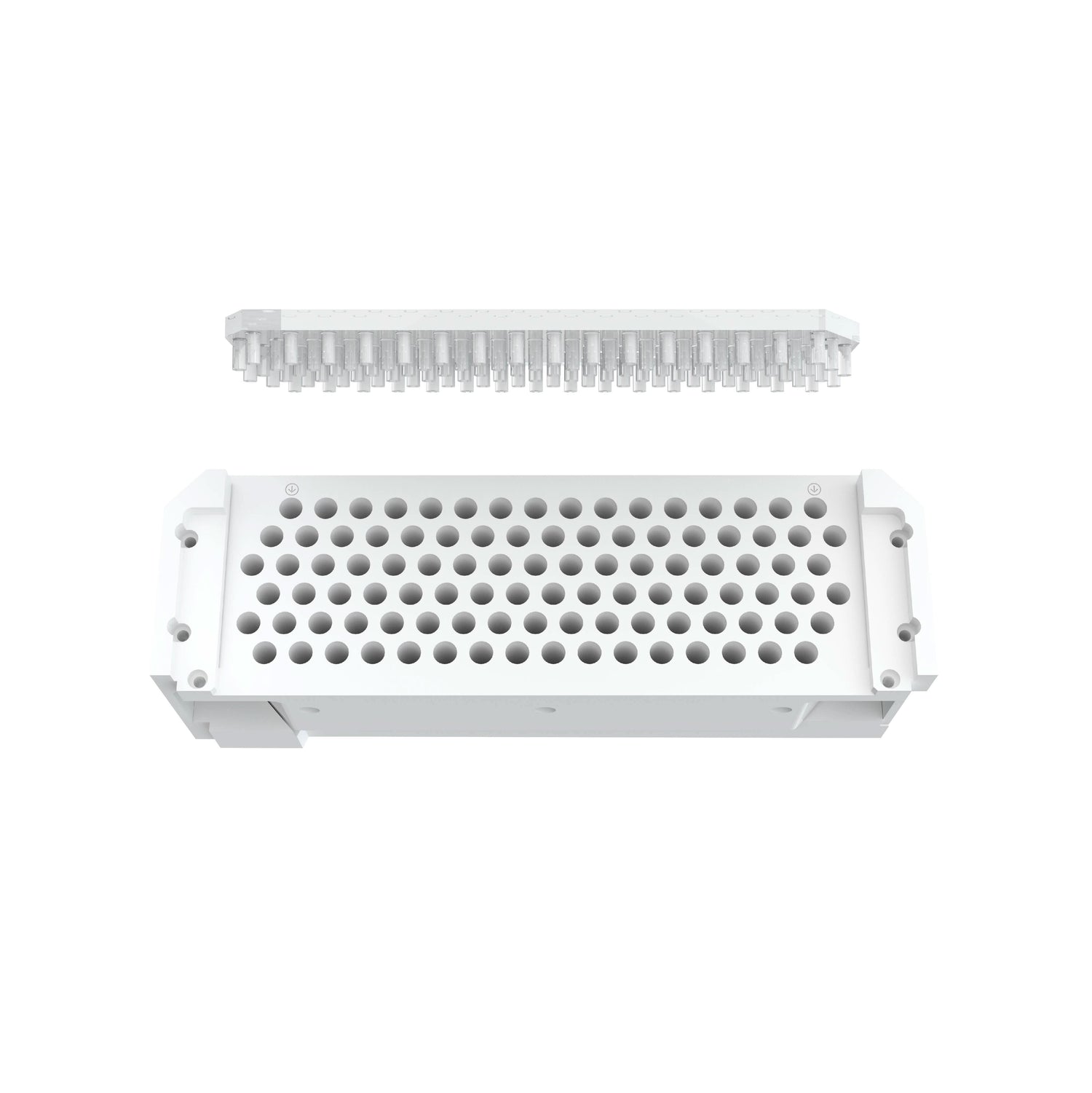
Its role is to take prepared material and distribute it evenly into each cone using a mechanical process, bridging the gap between raw ground material and a cone that's ready for finishing.
This positioning makes it a pivotal point in the sequence, since everything before it has been preparation, and everything after it depends on the fill quality it produces.
Because of where it sits in the process, the dutch crown device's performance has an outsized effect on what happens downstream.
A poor fill at this stage can't be fully corrected in later steps, which is part of why its role carries more weight than its position in the sequence might initially suggest.
Core Functions the Dutch Crown Device Performs
Beyond its position in the sequence, the dutch crown device performs a few specific functions that define its actual contribution to production.
Distributing Material Evenly Across Cones
At its core, the device takes ground material loaded into a tray and distributes it into cones below through a mechanical process, aiming for even settling rather than air pockets or overpacked sections.
Cones, formed from rolling paper, depend on that even distribution to burn consistently and hold their shape once finished. This distribution function is the device's primary job, and how well it performs this task directly shapes the quality of every cone that passes through it.
Even distribution isn't just a cosmetic concern. It affects how the finished product performs once it reaches the end user, which is why this function is treated as central to the device's overall role rather than a secondary detail.
Supporting Consistent Output at Scale
Beyond individual cones, the dutch crown device's role extends to maintaining that same distribution quality across an entire production run, whether that run involves dozens of cones or several hundred.
This scalability is part of what separates a mechanical filling role from a manual one, since the device performs the same function on the first cone of a session and the last one without a drop in quality.
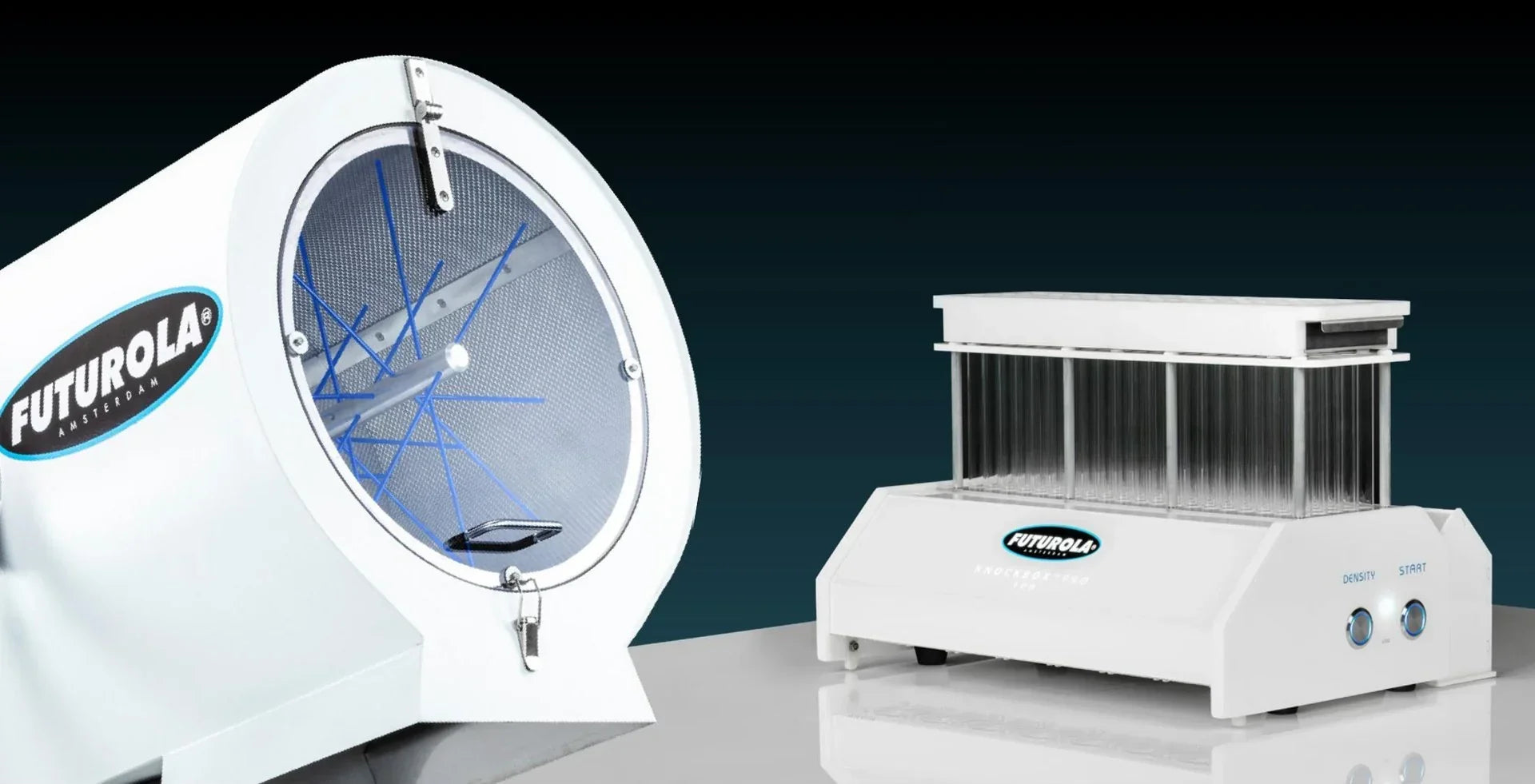
Facilities looking to formalize this role in their own production line can compare a knockbox for filling across the different base sizes in the Knockbox Series to match capacity to their typical batch size.
This consistency at scale is often what operators notice most once they've relied on the device for a while, since it removes a major source of variability that would otherwise depend on manual attention and technique.
How Its Role Differs from Other Equipment
Understanding what makes the dutch crown device's role distinct also means comparing it to the other equipment and steps involved in production.
Comparing It to Grinding and Loading Equipment
Grinding equipment prepares material texture, while loading equipment positions cones for the next stage. Both of these steps are preparation for filling rather than the filling process itself.
The dutch crown device's role is different in that it's the stage where prepared inputs actually become a filled product, making it the point where earlier preparation either pays off or reveals its shortcomings.
This distinction matters because it clarifies that the device isn't competing with grinding or loading equipment for the same role.
Each piece of equipment handles a distinct stage, and understanding that separation helps facilities evaluate their full production line rather than focusing on any one piece in isolation.
Comparing It to Manual Filling Steps
Compared to manual filling, the dutch crown device's role centers on consistency and repeatability rather than individual, hands-on control.
Manual filling can offer flexibility for highly customized runs, but it depends on the technique and attention of whoever is doing the filling at any given moment.
The device's role, by contrast, is to standardize that process so results stay steady regardless of session length or how many cycles have already run that day.
This difference in role explains why many facilities that scale up production eventually shift filling responsibilities from manual technique to mechanical equipment, since the consistency that role requires becomes harder to maintain by hand as volume grows.
Why Its Role Matters for Production Quality
Given where it sits and what it does, the dutch crown device's role has a direct and measurable effect on the quality of finished pre-rolls.
Impact on Final Product Consistency
Because the filling stage shapes how evenly material settles into each cone, the device's role directly affects the finished product's appearance and burn quality.
Facilities aiming for best pre rolled cones as a finished standard often point to consistent filling as one of the most important factors in reaching that goal, since inconsistent fills are difficult to disguise once cones move to packaging.
This impact on consistency is why the filling stage receives particular attention in quality control processes, since problems introduced here tend to be more visible and harder to correct than issues at earlier or later stages.
Impact on Facility Efficiency
Beyond the finished product, the dutch crown device's role also affects how efficiently a facility can move through its overall production schedule.
A reliable filling stage reduces the amount of rework needed later, which keeps the rest of the production line moving without unnecessary delays. Facilities that treat filling as a central, well-supported stage rather than an afterthought tend to see fewer bottlenecks across their broader workflow.
This efficiency angle reinforces why the device's role extends beyond just individual cone quality into the broader rhythm of a facility's entire production process.
Final Thoughts
The dutch crown device role in pre roll production centers on the filling stage, where prepared material becomes a finished cone ready for the next step.
Its position in the sequence, combined with its function of even, repeatable distribution, makes it a pivotal part of the overall process rather than a standalone piece of equipment.
Understanding that role helps clarify why so much attention gets placed on filling quality across pre-roll production more broadly.
Reviewing the specifications across the Knockbox Series is a useful next step for any facility looking to strengthen this stage of its own production line.
FAQs
Where exactly does the dutch crown device fit in pre-roll production?
It sits at the filling stage, positioned after grinding and cone loading but before finishing steps like twisting or capping.
Why does the filling stage matter so much for overall quality?
Fill quality directly affects how a cone looks, burns, and holds together, and problems introduced at this stage are difficult to correct later in the process.
Does the dutch crown device replace the need for grinding equipment?
No. Grinding and filling are separate stages, and the device depends on properly prepared material from the grinding stage to perform its role effectively.
How does the device's role change as production volume increases?
Its core function stays the same regardless of volume, but its consistency advantage becomes more valuable as manual filling would otherwise become harder to maintain at scale.
Is the dutch crown device suitable for facilities just starting pre-roll production?
Yes, though facilities should match capacity to their expected volume rather than choosing based on future ambitions alone.

LEAVE A COMMENT
All comments are moderated before being published.
This site is protected by hCaptcha and the hCaptcha Privacy Policy and Terms of Service apply.