
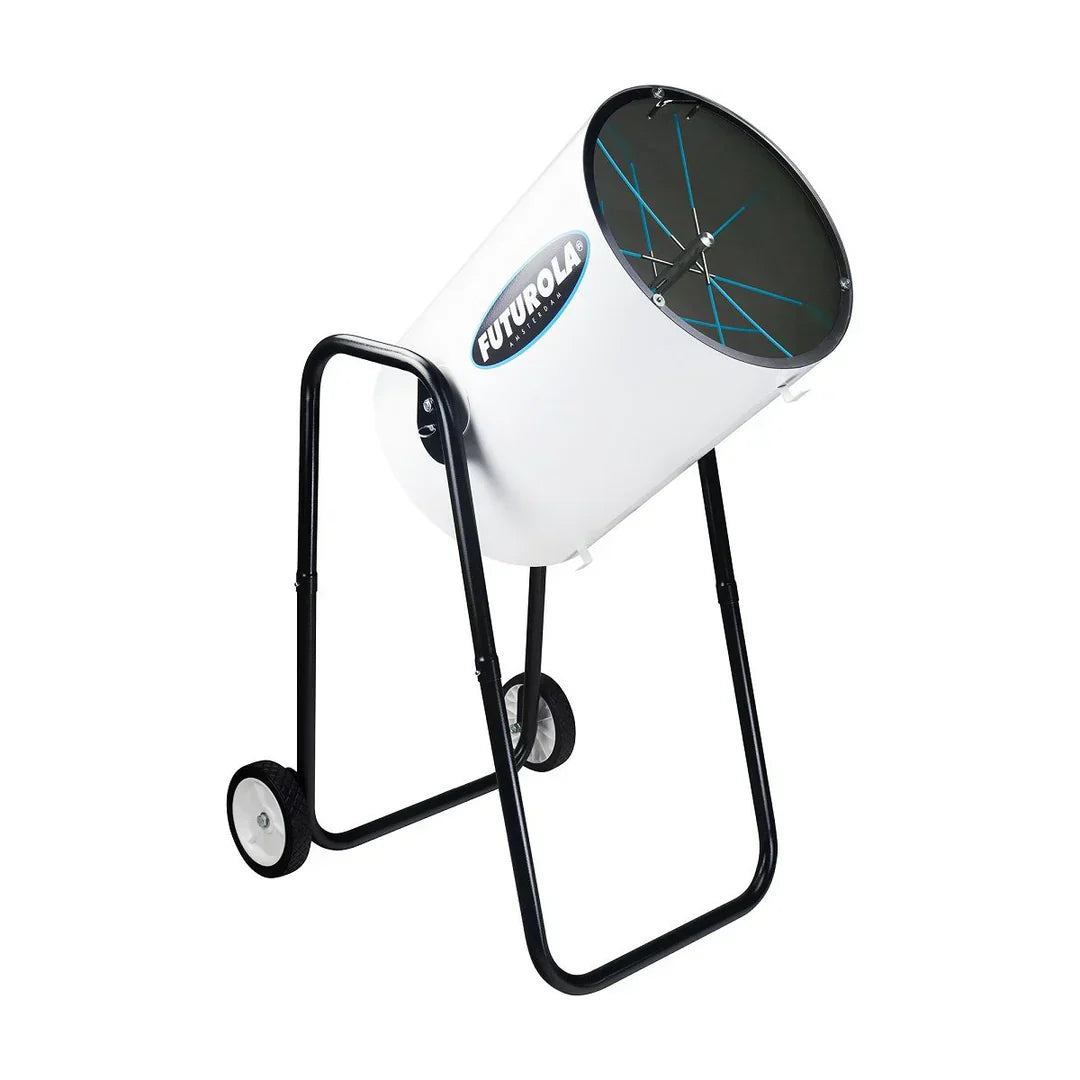
Buying an herb shredder machine is a decision that affects every stage of a production workflow.
The wrong choice creates bottlenecks, inconsistent output, and ongoing maintenance issues. The right one runs cleanly, delivers uniform shredding batch after batch, and scales with the operation as volume grows.
Herb shredder machines come in different sizes and feature configurations, and knowing which specifications matter before purchasing makes the evaluation process significantly cleaner.
Throughput, blade design, build quality, and additional processing features are the categories that determine whether a machine fits a specific operation's needs now and over time.
Why Specifications Matter More Than Appearance
An herb shredder machine is a piece of production equipment that needs to perform under consistent, repeated use. Specifications tell the real story of whether a machine was designed with that demand in mind. Throughput capacity, blade design, material consistency, and structural durability are the categories that determine long-term value, and none of them are visible from product photos alone.
Understanding what each specification means in practical terms is the difference between buying equipment that works and buying equipment that looks like it should work. Production environments do not forgive machines that underperform, and replacement cycles are expensive.
Evaluating specifications carefully before purchasing is the most straightforward way to avoid that outcome.
The Cost of Getting It Wrong
Underspecifying an herb shredder machine creates downstream problems that compound over time. A machine that cannot keep up with production volume forces manual intervention, slows throughput, and introduces inconsistency into the final product. Inconsistent shred texture means uneven processing, which directly affects the quality and uniformity of output across every batch.
Overspecifying, on the other hand, means spending more than necessary on capacity that sits idle. Matching the machine to the actual production scale is the goal, and doing that accurately requires understanding what the specifications actually represent in operational terms. The sections below break down each key category in detail.
What Makes a Shredder Machine Worth the Investment
A well-built herb shredder machine is not just a time-saving device. It is a quality control tool. Uniform shredding produces a consistent texture that performs predictably across every batch, which is the foundation of reliable downstream processing.
Durability compounds the value over time.
A machine built from robust materials with precision-engineered components holds its performance standard across thousands of cycles.
The upfront investment in a well-specified machine is almost always lower than the cumulative cost of repairing or replacing a unit that degrades under production conditions.
Throughput Capacity: Matching the Machine to the Operation
Throughput capacity is the most fundamental specification to evaluate when buying an herb shredder machine. It determines how much material the machine can process in a given time period, and it directly affects whether the machine can keep pace with production demands. A machine operating comfortably within its rated range will hold its output quality and component integrity longer than one constantly running at maximum capacity.
Production scale varies significantly across operations, and the size lineup across Classic Shredder models reflects that range directly. The Mini, OG, and Mega are not arbitrary size distinctions. They represent meaningfully different throughput tiers that correspond to real production volume differences.
The Mini: Compact and Portable for Small-Scale Operations
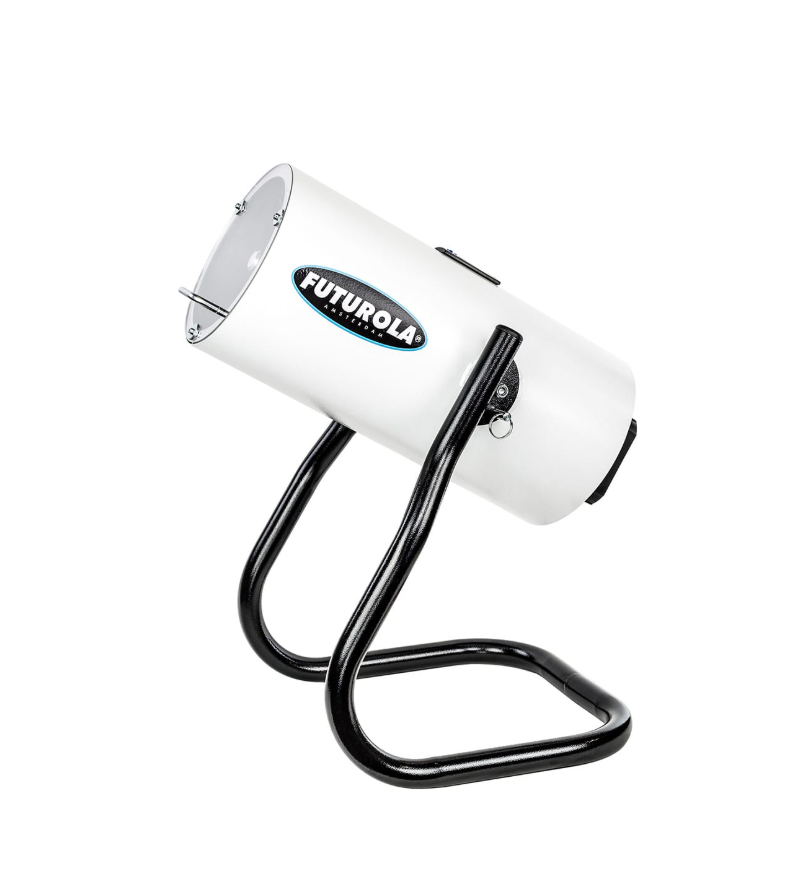
The Mini is designed for small-scale operations where a compact, portable herb shredder machine is the right fit. It handles the needs of lower-volume workflows without the overhead of a larger unit, and its portability adds operational flexibility that fixed larger machines cannot offer.
The Mini can be repositioned within a workspace or used as a secondary unit alongside a larger machine. For operations that are building their production capacity and not yet at high volume, the Mini provides a reliable entry point without committing to infrastructure that the current workflow does not yet require.
The OG: Balanced Capacity for Growing Operations
The OG provides a mid-range throughput option that strikes a balance between size and capacity. It handles meaningfully more material than the Mini without requiring the space and operational setup of the Mega. For operations that have outgrown compact-scale processing but are not yet running at commercial volume, the OG fits the gap accurately.
The OG is also a practical secondary unit in larger operations, handling specific material types or backup capacity when the primary machine is at full load. The best shredder machines for growing operations are those that can adapt to changing production demands, and the OG's throughput range covers a wide band of operational needs across different production stages.
The Mega: High-Throughput Commercial Processing
The Mega is built for operations where volume is the primary driver. These machines deliver increased power and throughput compared to smaller models, handling large batches with the consistency and speed that commercial production demands.
A high quality shredder machine at the commercial scale is defined by its ability to maintain performance standards across extended production runs. The Mega is engineered for that demand, with robust construction and precision components that hold up under sustained heavy use.
Blade Design and Shred Consistency
Blade design is the mechanical core of any herb shredder machine and the specification most directly tied to output quality. The blades determine not just how much material gets processed, but how uniformly it is processed. Precision-engineered blades cut more consistently and hold their edge longer, which is what produces reliable output quality across thousands of processing cycles.
Inconsistent blade geometry or degraded blade material produces output that varies in texture within the same batch. This variability creates downstream processing problems and requires more manual correction, which adds labor cost and slows throughput. The blade specification is worth understanding in detail before any purchase.
What Uniform Shredding Actually Means in Production
Uniform shredding means that the material coming out of an herb shredder machine is consistent in texture across the entire batch. Every shred is approximately the same size, with no large chunks mixed alongside fine powder and no uneven distribution across the output. This consistency is what makes downstream processing predictable and the final product reliable.
A premium shredder machine delivers that consistency across thousands of cycles without degradation in output quality. Operations that process material for further use, whether pre-roll production, packaging, or other applications, depend on shred consistency to maintain quality standards.
Machines that cannot hold their shred consistency under sustained use force more manual sorting and quality checking, adding both labor cost and time.
Blade Durability Under Sustained Use
Blade durability is tested under real production conditions, not specifications alone. The relevant question is how the blades perform after hundreds or thousands of processing cycles. Machines built with high-quality blade materials maintain their cut geometry over time, which is what preserves output consistency from the first batch to the ten-thousandth.
The construction quality of the blade assembly, including how the blades are mounted, aligned, and interact with the material during processing, determines the consistency of the output as much as the blade material itself.
These details matter significantly in production contexts and are part of what FUTUROLA's precision engineering is specifically built to address.
The Pro Shredder: Advanced Functionality for More Demanding Operations
The Pro Shredder line adds two significant functional upgrades to the standard shredding mechanism: a destemmer and a sifting screen barrel.
These features address production needs that a Classic Shredder cannot handle, and they represent a meaningful step up in processing capability for operations that require more than basic shredding. The Pro Shredder is available in Mini, OG, and Mega sizes, which means the advanced functionality scales across different production volumes.
Understanding what each feature does in operational terms clarifies when the Pro Shredder is the right choice versus the Classic line. For operations where stem removal and particle size classification are necessary steps in the workflow, the Pro Shredder integrates those steps into the shredding cycle itself rather than requiring them to be done separately.
The Destemmer: Automating a Labor-Intensive Step
The destemmer removes stems from the material during the shredding process, eliminating a step that would otherwise require manual intervention either before or after shredding. For operations processing material with significant stem content, the destemmer improves output quality and reduces labor in a single addition to the workflow.
Manual destemming at production volume is inherently inconsistent. Some batches receive more thorough destemming than others depending on operator attention and pace. The automated destemmer in an effective shredder machine like the Pro produces consistent stem removal across every batch regardless of volume, which directly improves the uniformity of the final output.
The Sifting Screen Barrel: Built-In Particle Classification
The sifting screen barrel adds a classification step to the output, separating material by particle size after shredding. This produces a more refined output where material is already sorted by texture, reducing the need for downstream sifting and delivering a more consistent final product at the end of each processing cycle.
For operations that require a specific shred texture for their output, the sifting screen barrel provides built-in control over particle size distribution that a standard shredder cannot replicate. The Pro Shredder's combination of destemming and sifting in a single processing cycle is what makes it the right choice for more demanding production environments where standard shredding alone does not cover the full workflow.
Final Thoughts on Buying an Herb Shredder Machine
The right herb shredder machine is the one that matches the actual production scale, fits the workspace, and is built to the quality standard that sustains consistent performance under regular use. Evaluating throughput capacity, blade design, build quality, and whether the Pro Shredder's destemmer and sifting features are relevant to the operation covers the specifications that matter most.
The Classic Shredder lineup across Mini, OG, and Mega provides a structured range that scales with operations at different stages. The Pro Shredder adds advanced functionality for operations that need more than standard shredding. Matching specifications to the actual requirements of the operation, rather than selecting based on surface-level features, is what produces a purchasing decision that holds up over time.
FAQs
What is the difference between the Classic Shredder and the Pro Shredder?
The Classic Shredder is available in Mini, OG, and Mega sizes and delivers consistent, uniform shredding across different production volumes. The Pro Shredder adds a destemmer and a sifting screen barrel to the shredding process, providing automated stem removal and particle size classification within the same cycle. The Pro Shredder is available in Mini, OG, and Mega sizes.
Which herb shredder machine size is right for a small-scale operation?
The Mini is the most appropriate starting point for small-scale operations, offering compact portability and reliable shredding performance without the footprint of larger machines. As production volume grows, the OG provides a logical step up in throughput capacity without a significant increase in workspace requirements.
Does the destemmer in the Pro Shredder operate automatically during the shredding cycle?
Yes. The destemmer in the Pro Shredder works during the shredding cycle itself, removing stem material from the output without requiring a separate manual destemming step before or after processing. This reduces labor and improves output consistency across production batches.
How does blade design affect shred consistency?
Precision-engineered blades cut material more uniformly and hold their geometry longer under sustained production use. Blades that dull or lose alignment over time produce output that varies in texture across the same batch, creating inconsistency in the final product and requiring more manual correction downstream.
Can FUTUROLA shredder machines handle high-volume commercial production?
Yes. The Mega format is designed for high-throughput commercial production, with increased power and throughput capacity relative to smaller models. The robust construction and precision engineering of these machines sustain consistent performance across extended production runs at commercial volume.


LEAVE A COMMENT
All comments are moderated before being published.
This site is protected by hCaptcha and the hCaptcha Privacy Policy and Terms of Service apply.