

The Dutch Crown Device has become a central tool in operations that rely on consistent cone production. As more facilities adopt automated filling systems, the need for precise finishing equipment grows alongside them.
The device folds the top of each cone into a uniform Dutch Crown, which supports structural integrity, presentation quality, and efficient handling. It turns what used to be a tedious manual step into a streamlined, repeatable process suited for large-scale workflows.
Production teams working with high volumes benefit significantly from this type of equipment. The Dutch Crown fold secures the contents of each cone without relying on twisting or irregular manual pressure, ensuring that every cone in a batch presents the same shape and finish. Consistency is crucial for packaging, transport, and storage, making this device a practical solution for maintaining quality at scale.
The device’s compatibility with systems capable of packing 100 cones at once makes it especially valuable for operators looking to improve output. Efficiency, stability, and uniformity are the primary reasons many teams integrate the Dutch Crown Device into their workflow. These qualities drive interest among beginners and seasoned operators alike.
Why Many Operators Transition to Dutch Crown Finishing
Many production teams eventually encounter inconsistencies when sealing cones manually. Twisting can create pressure differences, distort cone shape, or cause loose finishes that compromise content stability. The Dutch Crown technique eliminates these variables. Instead of relying on hand pressure, the device applies a controlled fold that maintains shape without crushing material.
This repeatable technique improves operational flow by reducing the time spent correcting poorly sealed cones. As workloads increase, manual crowning becomes inefficient and difficult to scale. Automated crown-forming allows facilities to sustain quality even during peak production periods. This reliability makes the device a long-term investment rather than a temporary solution.
New operators often adopt this tool after recognizing how much labor is spent on finishing pre-rolled cones by hand. The device turns a labor-intensive process into a fast, predictable cycle. The shift from manual to automated finishing enhances output without requiring additional staff or extended work hours.
The Appeal of Professional Presentation
A uniform Dutch Crown produces a clean and professional look that distinguishes a finished product. In many workflows, visual appeal matters just as much as internal structure. The Dutch Crown fold supports a polished presentation that elevates the perceived quality of each cone in the batch.
Consistent finishes also streamline packaging. Cones with uniform crowns fit neatly into storage tubes, boxes, or trays, reducing the risk of flattening or uneven stacking. Facilities distributing cones across multiple locations or shipping long distances benefit from the added stability.
The presentation advantage is especially important for organizations producing branded or private-label products. A batch of cones with clean crowns reflects well on quality control processes, reinforcing the reliability of the finished product. For many operators, this improved presentation is one of the strongest incentives to adopt the device.
How the Dutch Crown Device Works
The Folding Mechanism and Its Function
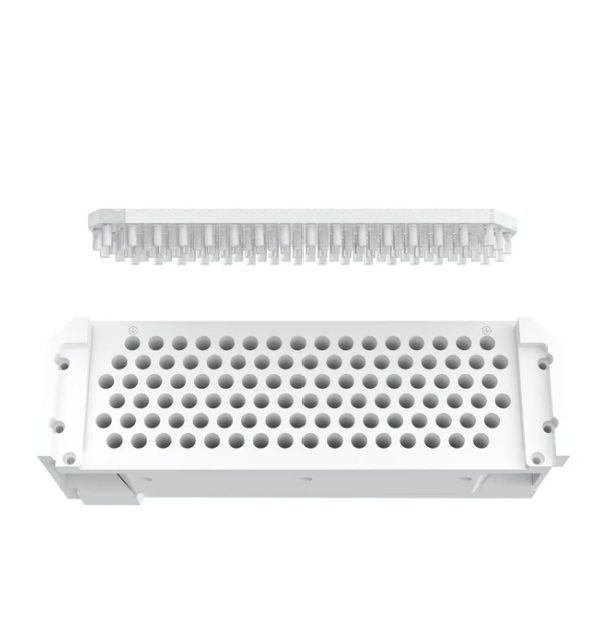
The Dutch Crown Device operates through a precise mechanical movement that folds the top of each cone into a sealed crown. It applies even pressure across the upper edges of the cone without damaging the paper structure. This creates a symmetrical fold that holds its shape during handling and packaging.
The device’s mechanism is designed to work with specific cone dimensions, ensuring that each fold aligns properly with the cone’s structure. The controlled fold prevents top-heavy compression, which often occurs during manual sealing. Instead, the device maintains the cone’s natural taper while securely forming the crown.
Because the device completes this fold across all cones simultaneously, it supports high-volume workflows where consistency is essential. Whether working with king-size cones or slender styles, the folding mechanism is calibrated to match the paper thickness, height, and shape of the designated cone format.
Integration with High-Capacity Systems
One of the key advantages of the Dutch Crown Device is its ability to integrate seamlessly with large-scale filling machines. When paired with a Knockbox with a 100-count cone-filling system, the device crowns every cone in the tray within seconds. This pairing significantly reduces production time compared to manual sealing, which can take hours to complete.
Integration ensures that the crown-finishing stage aligns naturally with the rest of the workflow. Once cones are filled, the tray transfers directly into the folding device without requiring manual sorting or repositioning. This minimizes disruption between stages and reduces handling errors.
For operations that depend on consistent output, integrated systems reduce workflow complexity. Every step, from filling to crowning, follows a predictable sequence that maintains production speed and quality. This improves turnaround times and increases the total number of batches completed per shift.
Matching the Device to Cone Specifications
Compatibility plays a major role in the performance of the Dutch Crown Device. The device is engineered for specific cone styles, including king-size formats and slender cones such as 98/26 and 98/30. Matching the device to the correct cone size ensures proper alignment and prevents misfolding.
Using cones outside the recommended dimensions may lead to uneven crowns, paper tears, or weak seals. Such issues not only slow workflow but also increase waste. For slender cones, compatibility is especially important because their narrow structure requires precise pressure distribution during folding.
By selecting the correct device for the intended cone format, operators maintain quality across batches. This matching process ensures that every fold is executed with accuracy, supporting both stability and presentation in the final product.
Why Buying a Dutch Crown Device Makes Sense
Increased Output With Less Labor
Facilities that rely on manual crowning often require multiple staff members to manage the finishing stage, especially when production demands increase. The Dutch Crown Device reduces the need for manual labor by finishing 100 cones in seconds. This dramatic increase in speed allows teams to produce more cones in less time without overextending personnel.
Automating the finishing stage frees staff to manage other important tasks such as material preparation, packaging, or inventory checks. This redistribution of labor increases overall workflow efficiency and reduces bottlenecks that commonly occur during large production cycles.
For businesses scaling up operations, the device provides long-term reliability and cost savings. The reduction in manual labor combined with the boost in output creates a sustainable production model suited for both small teams and large facilities.
Quality Assurance Through Uniform Results
Uniform crowns contribute directly to the perceived value of the final product. Cones that vary in shape, seal tightness, or structural integrity lose their professional appeal. The Dutch Crown Device ensures that every cone in the batch receives the same level of precision, reinforcing quality assurance across all units.
A uniform crown also prevents spillage during handling and packaging. This stability reduces product loss and supports cleaner work environments. Operators can handle finished cones with confidence, knowing that the contents remain secure.
The consistency provided by the device helps facilities meet strict internal quality benchmarks. It also reduces the likelihood of customer complaints related to product inconsistencies, making it a dependable addition to professional setups.
Better Stability During Packaging and Transport
Cones sealed with Dutch Crowns maintain their shape reliably during movement, storage, and transport. The fold creates a secure top that protects the contents while preserving the cone’s structural form. This makes the product easier to package without the risk of flattening or spilling.
Batches with uniform crowns stack more evenly inside packaging containers. This helps prevent shifting or collapsing while cones are in transit. For facilities distributing products across multiple locations or storing them in bulk, this stability reduces the number of damaged units.
The enhanced durability provided by the crown contributes to higher-quality product presentation at the point of delivery. Customers receiving intact, well-sealed cones experience the benefits of improved handling throughout the production chain.
Tips for Getting the Best Performance From a Dutch Crown Device
Ensure Even Fills Before Crowning
A well-filled cone provides the best foundation for forming a Dutch Crown. Cones with uneven packing may collapse or deform under pressure. Ensuring an even fill distributes material properly throughout the structure, helping the crown fold smoothly.
Settled material allows the fold to sit firmly without gaps. Before entering the device, operators often check each batch for any loose material at the top. Removing excess prevents obstruction and improves the quality of the fold.
This preparation step helps maintain consistent results across all cones in the tray. Even simple adjustments, such as leveling the top surface, enhance performance during the crowning process.
Maintain Alignment Throughout the Workflow
Correct alignment prevents off-center folds that compromise appearance and stability. Each cone must sit securely in its holder to ensure that the fold applies evenly across its surface. Misalignment can cause wrinkles, partial folds, or paper stress.
Before activating the cycle, operators inspect the tray to confirm that each cone is upright and centered. For slender cones, alignment is even more important because their narrow structure requires precise positioning.
Maintaining alignment also reduces wear on the device. Cones that shift during the cycle may push against components in unintended ways, leading to unnecessary strain or damage.
Clean and Inspect the Device Frequently
Regular cleaning removes buildup that may interfere with the folding mechanism. Even small amounts of dust or material particles can affect pressure distribution and surface contact. Cleaning surfaces, clearing alignment slots, and brushing debris from the mechanism supports consistent operation.
Frequent inspection helps identify worn parts, loose fittings, or tension issues before they affect production. Addressing these concerns early ensures reliability during high-volume cycles.
Facilities that use the device frequently benefit from a maintenance schedule. Routine upkeep preserves device longevity and supports consistent results over long-term use.
Why the Dutch Crown Device Is a Smart Investment
Supporting Scalable Workflows
As production volumes grow, the need for reliable finishing tools becomes more important. The Dutch Crown Device supports scalable operations by maintaining consistent results even when batch sizes increase. This makes it easier for facilities to meet demand without sacrificing quality.
The device works seamlessly alongside automated filling equipment, creating a complete workflow that handles both filling and finishing with minimal interruption. This integration allows operators to expand production at a manageable pace.
Scalability also reduces labor strain. Instead of expanding staff to meet demand, facilities can rely on automated finishing to maintain output. This supports sustainable, long-term growth.
Enhancing Professional Standards
Professional-grade finishing equipment sets a higher standard for cone quality. A batch with clean folds and consistent structure reflects well on an organization’s operational capabilities. For brands that prioritize presentation, the Dutch Crown fold becomes a distinguishing feature that reinforces quality.
This upgraded presentation can influence customer perception and long-term brand reputation. Consistency in appearance often signals consistency in overall product quality, increasing trust among customers and clients.
Professional standards also benefit internal evaluations. Teams can track the consistency of each batch and identify improvements more efficiently when presentation remains uniform.
Improving Workflow Reliability
Reliable equipment decreases the likelihood of production delays. By automating the finishing stage, the Dutch Crown Device reduces dependence on manual processes that often fluctuate in quality and speed.
Production schedules become easier to plan because each cycle delivers predictable results. This reliability supports better inventory management and improved communication across teams involved in packaging and distribution.
When workflows run smoothly, facilities reduce waste, improve accuracy, and maintain cleaner workstations. These benefits compound over time, contributing to a more stable production environment.
FAQs
What makes the Dutch Crown Device valuable for production facilities?
The device automates the folding stage of cone finishing, allowing facilities to complete 100 crowns in seconds. This speeds up workflow and ensures consistent results across all cones in a batch. The uniform crown supports better presentation and stability during handling and packaging. Facilities benefit from reduced labor costs and improved quality control.
Which cone sizes are compatible with the Dutch Crown Device?
Compatibility depends on the specific model. Standard versions are designed for king-size cones, while slender devices support formats such as 98/26 and 98/30. Using the correct cone size ensures proper alignment during folding. Matching cone specifications to the device prevents paper tears and maintains consistent crown quality.
How does the Dutch Crown fold improve stability?
The fold distributes pressure evenly across the cone’s top, securing the material without twisting. This creates a stable closure that protects the contents during handling and storage. The crown helps the cone maintain shape during transport and reduces the risk of material shifting. These qualities make the fold ideal for packaging and long-distance movement.
How often should maintenance be performed on the device?
Maintenance frequency depends on usage levels. Devices used regularly benefit from cleaning between cycles to remove material buildup. Periodic inspections help identify signs of wear or loose components. Routine maintenance extends device lifespan and preserves consistent performance during production cycles.
Is the Dutch Crown Device suitable for beginners?
Yes, beginners can operate the device effectively with minimal training. The mechanism works automatically once cones are aligned and the cycle is activated. Its straightforward operation makes it accessible even to those new to automated cone finishing. With consistent use, beginners quickly achieve professional-level results with stable, uniform crowns.


LEAVE A COMMENT
All comments are moderated before being published.
This site is protected by hCaptcha and the hCaptcha Privacy Policy and Terms of Service apply.