

If you have ever opened a pack of pre rolls and found one with a bad working rate, another that barely draws, and a third that looks half-empty, you already know what inconsistency feels like from the customer side. Now flip that around and imagine being the producer behind those pre rolls. That is a problem worth solving.
Pre roll consistency is not just about looks. It comes down to weight, density, and draw resistance. When even one of those elements is off, the whole experience falls apart, and customers notice.
This guide walks through every part of the production process that affects pre roll consistency, from the grind all the way to the final quality check. Whether you are rolling by hand or running a small machine operation, there is something here that will make your next batch better than the last.
Why Pre Roll Consistency Matters
Pre roll consistency is one of those things that is easy to overlook when things are going well, and glaringly obvious when they go wrong.
Defining Product Consistency
A consistent pre roll hits the same weight every time. It packs to the same density. It offers the same draw resistance from one unit to the next. And it reduces evenly from start to finish.
When all of those factors line up, you have a product that feels professional and reliable. That kind of reliability is what builds repeat customers and keeps this brand moving in the right direction.
What Inconsistency Costs You
Inconsistent pre rolls create real problems. Customers return the product. Reviews go negative. Batches get wasted. And the time it takes to figure out where the process broke down adds up fast.
Inconsistent production does more than create a bad product. It creates uncertainty across your entire operation. You end up spending more time fixing batches than building them, and your output slows down as a result.
The goal with pre roll consistency is not perfection for its own sake. It is efficiency, reliability, and a product your customers trust.
The Biggest Enemies of Pre Roll Consistency
Most pre roll consistency problems can be traced back to a small number of root causes. The good news is that all of them are fixable once you know where to look.
Uneven Grind Size
Grind size is the single biggest variable in pre roll production. When the grind is uneven, some parts of the cone fill loosely while others pack too tightly.
That unevenness throws off both density and draw, and it makes consistent weight nearly impossible to achieve.
Moisture That Is Out of Range
A flower that is too dry crumbles and packs unevenly. A flower that holds too much moisture compresses in ways that are hard to control and can create drawing issues. Both extremes work against pre roll consistency at every stage.
Rushing the Fill
Speed matters in production, but rushing the fill is where consistency breaks down fast. When the flower is loaded too quickly, air pockets form, density shifts, and the final product looks and performs differently from one unit to the next.
Human Error in Hand Rolling
Hand rolling at scale is genuinely difficult to keep consistent. Even experienced rollers have variations in how they pack and seal. This does not mean hand rolling is wrong, but it does mean that without some kind of system or check in place, pre roll consistency will drift.
Getting Your Grind Right Every Time
A good grind is the foundation of pre roll consistency. Everything downstream depends on it.
Why Grind Uniformity Sets the Tone
When the flower is ground to a uniform size, it fills cones predictably. The same weight of material takes up roughly the same volume, packs to a similar density, and produces a draw that customers can count on. Skipping this step, or treating it as an afterthought, is the fastest way to introduce variation into your production.
Best Grinder Settings for Pre Roll Production
For most pre roll production, a medium grind works better than a fine grind. Fine grinds pack too tightly and restrict airflow. A grind that is too coarse leaves gaps and creates inconsistent density. The right setting depends on the flower itself, but a medium grind is a reliable starting point for achieving pre roll consistency batch after batch.
How to Spot a Bad Grind Before It Ruins a Batch
A quick visual check goes a long way. If the ground material looks like a mix of powder and larger pieces, the grind is inconsistent. A well-ground flower has a uniform texture throughout. Running a small test fill before committing to a full batch takes less than a minute and can save an entire production run.
Packing and Filling for Pre Roll Consistency
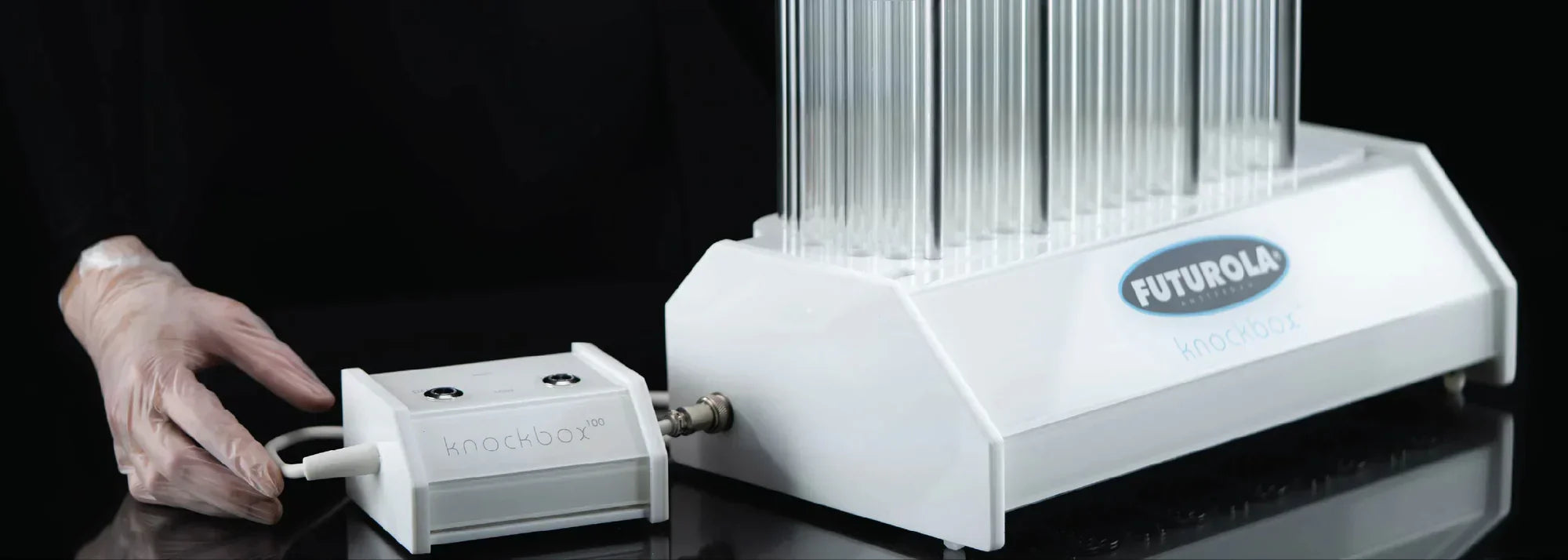
Filling trays, tamping tools, and cone-filling machines all serve the same basic purpose: removing the guesswork from the fill process. Even at a small scale, a basic filling tray dramatically improves pre roll consistency compared to filling cones one at a time by hand.
Rolling by Hand vs. Using a Machine
Both hand rolling and machine rolling can produce consistent pre rolls. The approach that works best depends on your scale and the systems you have in place.
When Hand Rolling Works and When It Breaks Down
Hand rolling works well at a small scale, especially when the same person handles each roll and has developed a reliable, repeatable technique. The challenge comes at volume. As output increases, fatigue sets in, technique drifts, and pre roll consistency starts to slip. At a certain point, manual rolling simply cannot keep up with the precision a machine provides.
A Machine Worth Considering for Producers
Cone-filling machines have become more accessible in recent years. Options exist at multiple price points, and even a basic machine can improve pre roll consistency dramatically compared to hand rolling at scale. The key is finding a machine that matches or exceeds your output volume and is easy to calibrate and clean between runs.
Getting More Consistency Out of a Manual Process
If hand rolling is still the right fit for your operation, a few adjustments make a real difference. Using a scale for every fill, tamping with the same amount of pressure each time, and building a simple checklist for each batch all contribute to better pre roll consistency without requiring a machine investment.
Pre Roll Consistency: Quality Checklist
A quality check at the end of each batch is not optional if pre roll consistency is the goal.
Simple Checks Every Batch Should Go Through
Weight is the first check. Pull a sample from the batch and weigh each one. If the weights are grouping tightly around your target, the batch is on track. If there is wide variation, something in the fill or grind process needs attention.
A visual check comes next. Look for cones that are lopsided, lumpy, or noticeably different in length from the rest of the batch. Then do a draw test. Pull air through a sample of pre rolls and note whether the resistance feels consistent from one to the next.
How to Catch Problems Early
The best time to catch a pre roll consistency problem is in the middle of a batch, not at the end. A quick check every 20 to 30 units keeps small issues from turning into full-batch problems. It takes a few extra minutes, but the time saved from avoiding a ruined batch is well worth it.
Keeping Records to Fix Issues Faster
A simple log that tracks grind settings, fill weight, moisture level, and batch size gives you a reference point for every run. When something goes wrong with pre roll consistency in a future batch, that record tells you exactly where to look.
Final Thoughts
Pre roll consistency is achievable at any scale. It all comes down to controlling the variables that matter most. Grind uniformity, moisture content, fill weight, and packing pressure guarantee the quality of each batch.
None of these improvements requires a full production overhaul. Small, deliberate changes compound quickly, and the result is a product that performs reliably, looks professional, and keeps customers coming back. Start with an area that needs the most attention right now, build from there, and track your results as you go.
FAQs
What is pre roll consistency and why does it matter?
Pre roll consistency refers to how uniform your pre rolls are across a batch in terms of weight, density, draw resistance, and quality. It matters because inconsistent pre rolls create a poor customer experience, lead to product returns, and make it harder to scale your operation efficiently.
What causes inconsistent pre rolls in production?
The most common causes are uneven grind size, flower that is outside the ideal moisture range, inconsistent packing pressure, and filling by eye rather than by weight. Fixing any one of these improves pre roll consistency, and fixing all of them produces a significantly better product.
What moisture level is best for pre roll flower?
Flower intended for pre rolls performs best at a moisture level that keeps it pliable but not wet. A basic moisture meter is the most reliable way to check this before production begins. A flower that is too dry or too moist will affect both the filling process and the finished product.
Should I use a machine or hand roll for better pre roll consistency?
At a small scale, hand rolling with a reliable technique and consistent tools can produce good results. At higher volumes, a cone-filling machine provides better pre roll consistency simply by removing the variation that comes with manual work.
How do I check pre roll consistency after production?
Weigh a sample from each batch and compare the results to your target fill weight. Do a visual check for shape and size uniformity. Run a draw test on several units to check airflow. Keeping a simple log of each batch makes it easier to identify patterns and fix consistency issues before they repeat.


LEAVE A COMMENT
All comments are moderated before being published.
This site is protected by hCaptcha and the hCaptcha Privacy Policy and Terms of Service apply.