
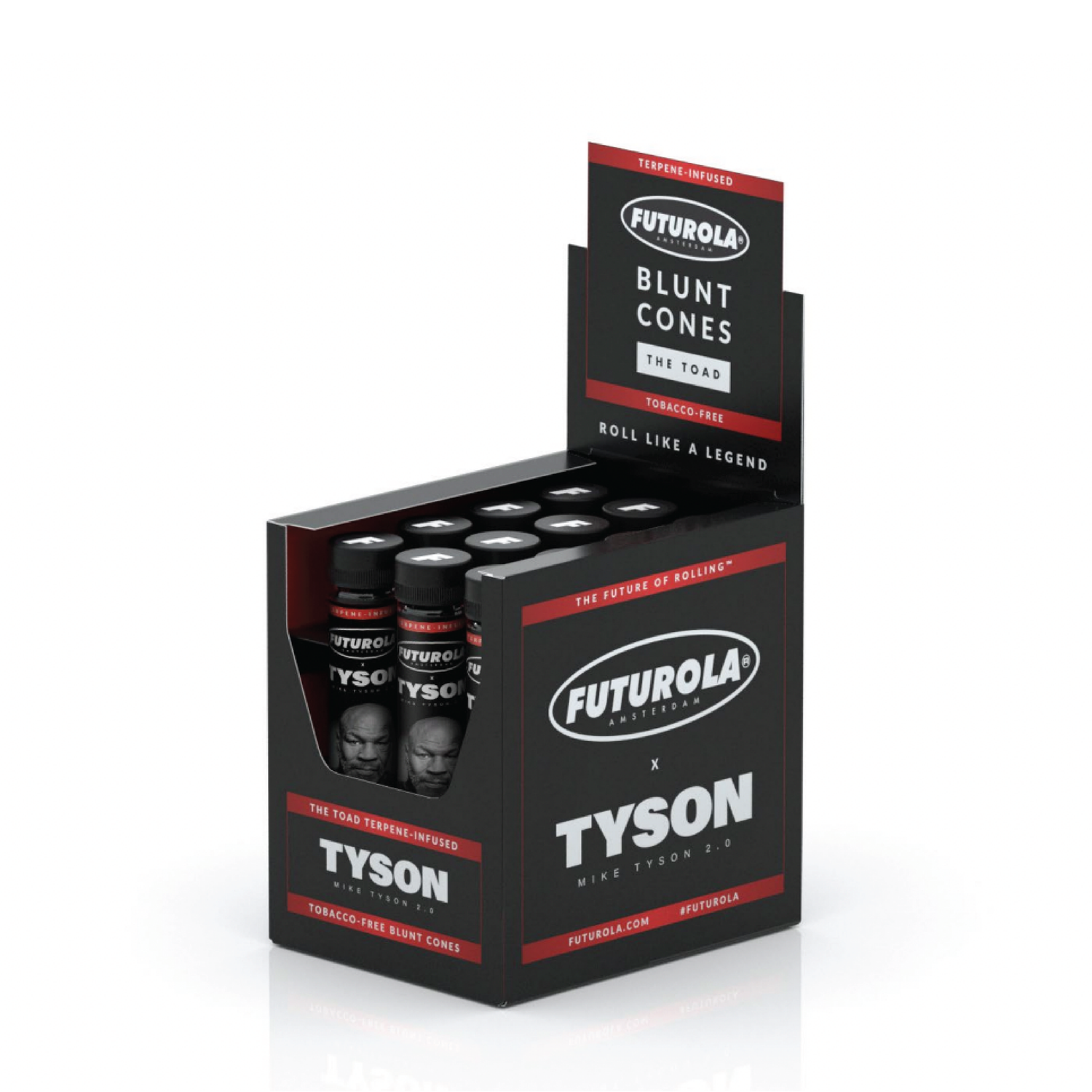
Understanding how tobacco free blunt wraps are made helps explain why they differ from traditional tobacco based options. While finished wraps appear simple, their production follows a controlled process designed to deliver consistency, stability, and reliable handling. Each step plays a role in shaping the performance of the final tobacco free blunt wraps.
Unlike traditional blunt wraps that rely on tobacco leaves, tobacco free alternatives are produced without tobacco from the very beginning. This allows manufacturers to focus on uniform structure rather than working around natural variation.
From the selection of raw materials to the final inspection, the process is built around creating dependable wraps that behave predictably.
Selecting Raw Materials for Tobacco Free Blunt Wraps
The process begins with choosing non tobacco raw materials capable of forming thin, flexible sheets. These materials must be able to hold together while remaining workable throughout preparation. The goal is to create a base that can be shaped into reliable blunt wraps without introducing inconsistencies.
Consistency at this stage is essential. If raw materials vary too much, the final wraps may behave differently from one piece to another. By starting with controlled inputs, manufacturers establish the foundation for uniform tobacco free blunt wraps.
Careful selection at the raw material stage helps ensure that each wrap begins with the same basic qualities.
Processing Raw Materials Into Flat Wrap Sheets
Once selected, the raw materials are processed into flat sheets that will eventually become wraps. This step involves refining the material until it reaches a smooth and even form. The sheets must be thin enough to remain flexible while maintaining enough strength to hold shape.
During processing, thickness and texture are monitored closely. Even minor differences can affect how finished blunt wraps feel during handling. Maintaining uniform sheets helps ensure that each tobacco free blunt wrap responds the same way during later stages.
This step plays a major role in creating wraps that feel consistent throughout an entire batch.
Shaping and Forming the Blunt Wrap Structure
After flat sheets are prepared, they are shaped into individual blunt wraps. This shaping process defines the size, length, and overall form of each wrap. Precision is important, as uneven shaping can lead to handling issues later on.
For tobacco free blunt wraps, shaping is done with repeatability in mind. Each wrap is formed to match consistent dimensions, helping ensure predictable preparation. Uniform shaping reduces the need for adjustments during use.
Well formed blunt wraps support smoother handling and cleaner preparation.
Drying and Stabilizing the Wraps
Drying is one of the most important steps in how tobacco free blunt wraps are made. Proper drying removes excess moisture while preserving flexibility. Too much moisture can make wraps difficult to manage, while too little can cause cracking.
Drying conditions are carefully controlled to strike the right balance. Each blunt wrap must remain pliable while maintaining structural stability. This stabilization helps finished wraps hold their shape during storage and handling.
Consistent drying supports reliable performance across all tobacco free blunt wraps.
Cutting and Final Sizing of Wraps
Once stabilized, the material is cut into individual wraps. This step defines the final edges and dimensions of each blunt wrap. Clean and accurate cuts help prevent tearing and uneven edges during handling.
Cutting equipment is set to ensure consistent sizing. Uniform dimensions allow tobacco free blunt wraps to meet the same preparation standards from one piece to the next. Precision at this stage supports predictable results.
Accurate sizing helps ensure that finished wraps perform reliably.
Inspection and Quality Review
Before packaging, tobacco free blunt wraps undergo inspection to confirm consistency. This includes checking appearance, flexibility, and overall condition. Wraps that do not meet established standards are removed.
Inspection helps maintain reliability across every batch of blunt wraps. By identifying inconsistencies early, manufacturers can ensure that only uniform wraps move forward.
This quality review stage supports trust in the finished tobacco free blunt wraps.
Packaging and Storage Preparation
After inspection, wraps are prepared for packaging. Packaging protects tobacco free blunt wraps from environmental changes that could affect their condition. Proper packaging helps preserve structure during storage and transport.
This final step ensures that each blunt wrap reaches the end user in stable condition. Packaging also supports longer shelf life by maintaining the characteristics established during production.
Well prepared packaging helps finished wraps remain consistent over time.
Why the Manufacturing Process Matters
Understanding how tobacco free blunt wraps are made explains why they often offer more predictable performance than traditional options. Each stage of the process is designed to reduce variation and support consistent handling.
By controlling materials and shaping methods, manufacturers create tobacco free blunt wraps that behave reliably from one wrap to the next. This consistency supports smoother preparation and fewer interruptions.
The manufacturing process directly influences how blunt wraps feel, handle, and perform during use.
FAQs
What are tobacco free blunt wraps made from?
Tobacco free blunt wraps are made from non tobacco materials selected for flexibility and consistency.
Why is consistency important in blunt wraps?
Consistent blunt wraps help ensure predictable handling and smoother preparation.
How does drying affect tobacco free blunt wraps?
Proper drying helps wraps maintain flexibility while preventing cracking or excess moisture.
Are tobacco free blunt wraps shaped differently than traditional wraps?
They are shaped with uniform dimensions to support consistent handling and preparation.
Do all tobacco free blunt wraps follow the same process?
The general steps are similar, but quality depends on how carefully each stage is controlled.


LEAVE A COMMENT
All comments are moderated before being published.
This site is protected by hCaptcha and the hCaptcha Privacy Policy and Terms of Service apply.