

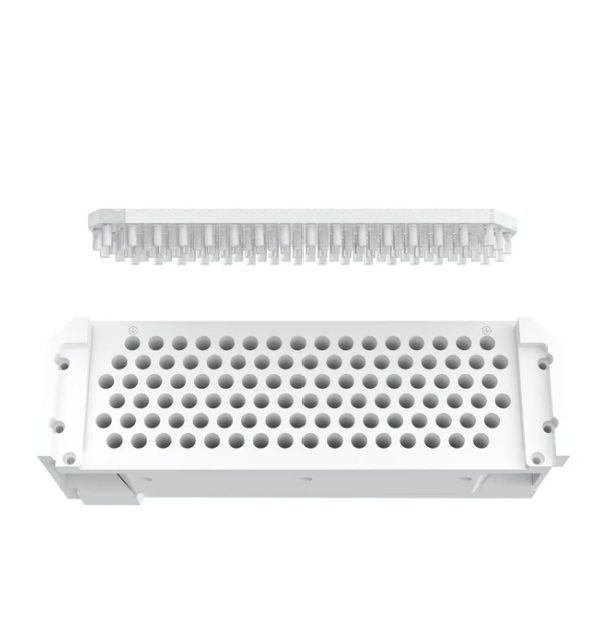
A Dutch Crown Device plays a central role in shaping consistent production quality for pre-rolled cones. The mechanism creates a uniform folded top, also known as the Dutch Crown, which seals each cone without relying on twisting or manual finishing.
This results in a clean and professional presentation that supports both storage stability and product handling across different workflows. The device functions as an attachment compatible with high-capacity cone-filling systems, making it a practical tool for operations aiming to streamline production.
Many operators turn to this device because it reduces the margin of error in the finishing stage. Manually folding cones often leads to inconsistent seals, uneven pressure, or loose finishes. The Dutch Crown Device automates this final step with precision, which is especially valuable for teams producing high volumes within strict timeframes. It maintains uniformity from one cone to the next, even during long production runs.
The device is particularly useful when working with king-size cones or slender-style cones that require a delicate folding technique. These formats benefit from the accuracy of a mechanical fold, allowing the cone structure to remain stable while keeping the contents in place.
The seamless crown also contributes to easier packaging, stacking, and transport, minimizing the potential for spillage or damage.
Why the Dutch Crown Technique Matters
The Dutch Crown technique offers a more controlled seal compared to twisting. A twist can sometimes compact material too tightly or leave gaps that reduce reliability during transport. The Dutch Crown fold, on the other hand, distributes pressure evenly and holds its shape securely. This technique improves the structural integrity of the cone, which is essential for operators maintaining inventory or preparing product lines in advance.
Its consistent folding pattern also enhances presentation quality. Many professional operations value appearance as much as internal uniformity and the Dutch Crown Device supports both. A well-formed seal communicates precision and care in production, which reflects positively on workflow and product standards.
For large-scale operations, repeatability is a priority. The device supports hundreds of folds per session, ensuring every cone presents the same seal regardless of batch size. This helps facilities maintain compliance with internal quality benchmarks and reduces the amount of rework required from staff.
The Role of Compatibility in Performance
Compatibility between cone size and device style determines the accuracy of each crown. The Dutch Crown Device is designed for specific cone formats, with slender styles calibrated for narrower dimensions like 98/26 and 98/30 cones. Using the correct pairing prevents misalignment that may occur when cones do not sit correctly within the mechanism. Misalignment can affect fold pressure, crown symmetry, and closure security.
Operators benefit from understanding the exact cone specifications recommended for their device. Matching dimensions ensures a stable fit, allowing the machine to complete the fold cleanly. This compatibility also minimizes wear on the device itself because each component operates in harmony without forcing cones into spaces that do not accommodate them.
Consistent performance depends on respecting these specifications. Although some production systems allow interchangeability, a Dutch Crown Device performs at its best when matched to its intended cone format. This attention to detail leads to smoother production and predictable results every time the device cycles.
Preparing for Dutch Crown Application
Ensuring the Cones Are Properly Filled
A smooth Dutch Crown fold begins with properly filled pre-rolled cones. Uneven fills, air pockets, or loose top sections interfere with the folding mechanism and lead to irregular seals. Filled cones should maintain a consistent pack, with material settled evenly from base to top. This prevents buckling during the crown-forming process and allows the device to apply uniform pressure.
Operators often prepare filled cones in batches, especially when using high-capacity filling systems capable of handling 100 cones at once. These batches must be inspected before moving into the crowning stage. Minor adjustments such as leveling the top layer or removing loose material can significantly improve the outcome. A clean top edge ensures that the fold rests neatly against the settled material.
For slender cones, preparation is even more crucial because their narrow structure requires precise alignment. If the top section of the cone is too loose or too firm, the fold may not seal evenly. A balanced pack ensures the slender cone withstands the folding pressure without creasing or distorting.
Aligning the Cones in the Device
Correct placement in the device ensures a successful fold. Each cone must sit upright and centered in its designated slot. Misalignment may cause folds to occur off-center, resulting in crooked crowns or incomplete seals. Operators typically rely on slotted holders or alignment plates designed for the device to keep cones in position.
Before initiating the fold, the operator should check that each cone sits flush and stable. Tilting, wobbling, or shifting can lead to uneven pressure distribution. For models designed to pack 100 cones per cycle, taking a moment to inspect alignment prevents issues that would otherwise affect the entire batch.
Device alignment becomes especially critical for slender formats, which rest more delicately in their holders. Their thinner walls require precise positioning so the mechanical fold does not overwhelm the paper structure. Ensuring alignment reduces the risk of tearing and preserves the clean cylindrical shape of the cone.
Checking Device Calibration Before Use
Mechanical calibration affects how tightly each crown folds. Over time, minor shifts in tension or pressure may occur depending on usage frequency. Running a quick calibration check before a full production cycle helps maintain consistency across all cones in a batch. Some operators begin with a small test cycle using a few cones to evaluate fold symmetry and tightness.
Calibration checks also help detect issues such as uneven pressure, mechanical lag, or component wear. Identifying these early prevents interruptions during large production cycles. For facilities on tight schedules, this proactive step supports efficiency and quality simultaneously.
Maintaining proper calibration ensures every fold meets internal standards for uniformity and structural stability. This produces a finished cone that holds up well during handling, packaging, and distribution.
How to Use Dutch Crown Device
Setting Up the Device for Operation
The setup stage ensures the device runs smoothly once the folding cycle begins. The device should be placed securely on a stable surface, especially when paired with high-capacity filling systems. A stable base prevents vibration from affecting cone alignment. Operators generally lock the device into its mounting point or platform to maintain consistency throughout the process.
Once positioned correctly, the device must be connected to its corresponding machine, such as a 100-count system. Proper attachment ensures the crowning mechanism aligns perfectly with the tray of filled cones. Operators should check that all contact points are clean and free from material debris, which can interfere with sensor accuracy or folding precision.
The final step in setup involves ensuring the device has the correct configuration for the cone size being used. This includes verifying that the right attachment or adjustment has been selected for king-size or slender cones. Choosing the incorrect configuration leads to off-center folds or misapplied pressure, which may damage cones.
Operating the Device Through the Folding Cycle
Once filled cones are aligned and the device is set, the folding cycle begins. The operator initiates the cycle with a control panel or activation switch. The mechanism lowers onto the cones and applies uniform pressure that creates the Dutch Crown fold. During this brief process, the device performs consistent movements calibrated to match the cone structure.
The cycle typically lasts only a few seconds when handling 100 cones at a time. The speed of the process makes it valuable for operations requiring rapid and repeatable finishing. Throughout the cycle, the device ensures that pressure is evenly distributed across all cones, maintaining the same fold integrity from the first cone to the last.
Operators monitor the cycle to confirm that no cones shift or collapse. If issues appear, the cycle can be paused. Automated folding is designed to minimize errors, but oversight ensures that each batch maintains high structural quality. Once the cycle completes, the tray releases smoothly and the cones can be transferred to the next stage.
Removing and Inspecting Finished Cones
After completing the fold, operators remove the tray of crowned cones for inspection. The Dutch Crown should appear uniform, symmetrical, and evenly pressed. A well-formed fold for your high quality rolling paper secures the contents of the cone without compacting the top excessively. Operators typically look for wrinkles, incomplete folds, or asymmetrical creases that may indicate misalignment or device calibration issues.
Visual inspection helps maintain overall production quality. If minor inconsistencies appear, they can be addressed in the next cycle through adjustments to alignment or calibration. This ensures that future batches maintain the desired uniformity.
Once inspected, cones can move to packaging, storage, or additional processing. The secure crown allows cones to remain stable during handling. This support is especially helpful for organizations that prepare large quantities of cones in advance or transport them in bulk containers.
Tips for Better Dutch Crown Device Performance
Keeping the Device Clean Between Cycles
Build-up of material or dust can affect how the device interacts with cone surfaces. Even small amounts of debris may interfere with pressure application or alignment. Regular cleaning prevents these issues and increases the lifespan of the device. Operators typically wipe down flat surfaces, remove loose particles, and clear gaps between components.
A clean device also improves fold consistency. When residue accumulates, cones may stick or shift during the cycle, leading to uneven folds. Cleaning ensures smooth movement throughout the mechanical process.
For facilities switching between different types of material, thorough cleaning becomes even more important. It prevents any transfer between batches and maintains a professional standard across all production cycles.
Using the Correct Cones for the Device
Matching the correct cone style to the device improves folding accuracy. As mentioned earlier, slender devices are designed specifically for 98/26 and 98/30 cones. Using cones outside this range affects alignment and may distort the fold.
Choosing the proper cone type ensures that each crown retains the distinct Dutch fold shape. Cones outside the device’s intended specifications may wrinkle, misfold, or tear. These issues slow production and create unnecessary waste.
Consistent cone selection also contributes to more predictable performance. When the machine interacts with identical materials and dimensions batch after batch, operators gain a reliable baseline and can better anticipate results.
Inspecting Components for Wear and Tear
Mechanical components experience natural wear over time. Regular inspection prevents small issues from growing into major disruptions. Checking alignment plates, fold mechanisms, and connection points helps maintain device integrity.
Operators benefit from identifying signs of stress, such as loose fittings or weakening tension. Addressing these early ensures smooth production cycles and consistent fold patterns. Replacing worn parts before they cause issues contributes to operational reliability in high-volume settings.
Routine inspection also enhances safety. A device functioning at less than optimal condition may produce unexpected pressure shifts or misaligned folds, which can damage cones or disrupt workflow.
The Value of Using a Dutch Crown Device
Improving Efficiency in Large-Scale Production
For teams producing pre-rolled cones at scale, efficiency is non-negotiable. A Dutch Crown Device dramatically reduces finishing time by completing 100 crowns in seconds. This level of output would require significantly more time if completed manually.
Faster finishing allows staff to focus on other production stages. When the crowning process becomes streamlined, bottlenecks decrease and overall workflow improves. Faster production enables facilities to meet deadlines without compromising quality.
High-capacity automation also reduces the need for multiple staff members to complete manual folds. Consolidating labor into fewer repetitive tasks increases accuracy and minimizes human error.
Enhancing Consistency in Final Presentation
Consistency is among the most valuable outcomes of using a Dutch Crown Device. Every cone receives an identical fold, strengthening the visual appeal of the batch. This uniform appearance supports brand credibility for operations emphasizing quality presentation.
Uniform folds also reduce variability during packaging. Cones with consistent crowns fit better into tubes, trays, or pouches. This reduces the risk of crushing or deformation during transport.
For facilities storing cones before distribution, uniformity ensures the batch remains stackable and easier to manage. Consistent shape supports better inventory handling and reduces the likelihood of rejects.
Maintaining Integrity During Storage and Handling
The Dutch Crown technique improves stability during storage. The folded top holds the material securely, reducing spill risk. This type of closure is especially important when cones undergo multiple stages before final distribution, such as weighing, labeling, or boxing.
The fold also protects the contents from external pressure. This improves load resistance when cones are placed together in storage containers. A secure crown maintains cone shape even when handled frequently.
Overall, the Dutch Crown Device supports a more professional and reliable production system. Its role in maintaining structure, stability, and presentation strengthens operational workflow from start to finish.
FAQs
What is the purpose of using a Dutch Crown Device?
The device creates a uniform folded closure at the top of each pre-rolled cone. This improves presentation quality and enhances stability during handling and storage. It also reduces the time required to manually seal cones, making it ideal for high-volume production environments. The fold prevents material from shifting or spilling while maintaining the structural integrity of each cone.
How many cones can a Dutch Crown Device handle at once?
Most models designed for high-capacity systems can close 100 cones per cycle. This allows operators to process large batches in a short amount of time. The high output supports efficient production lines and helps maintain consistent workflow throughout the finishing stages. Facilities that require rapid throughput benefit greatly from this batch capacity.
Is the Dutch Crown Device compatible with all cone sizes?
No, compatibility depends on the specific model. Standard devices are typically designed for king-size cones, while slender styles work specifically with 98/26 or 98/30 cones. Using the correct format ensures proper alignment and prevents damage or misfolding. Matching the device to the appropriate cone size produces the most accurate and consistent results.
What preparation steps help improve Dutch Crown performance?
Preparation includes ensuring cones are evenly filled, aligned correctly in the tray, and free from excess material at the top. Proper setup of the device, including calibration checks and cleanliness, also improves performance. These steps help the fold apply evenly and prevent cones from shifting during the cycle. Good preparation supports overall consistency across all finished cones.
How often should the Dutch Crown Device be cleaned or inspected?
Cleaning should occur between cycles to remove debris that may interfere with pressure application or alignment. Regular inspection of mechanical parts helps detect signs of wear and maintain high-quality performance. Facilities that use the device frequently benefit from scheduled maintenance to extend equipment lifespan. Consistent upkeep ensures reliable and uniform results during every production run.


LEAVE A COMMENT
All comments are moderated before being published.
This site is protected by hCaptcha and the hCaptcha Privacy Policy and Terms of Service apply.