
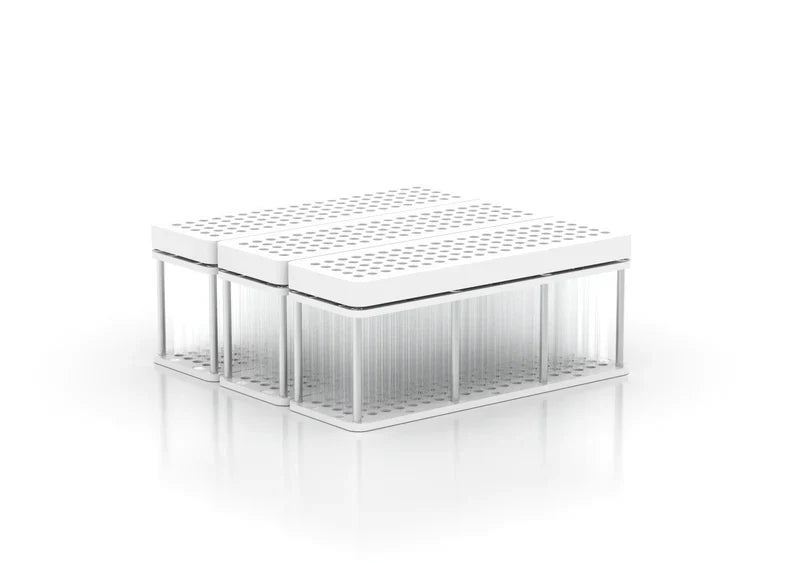
Pre-roll production efficiency directly impacts profitability and product consistency in today's competitive market. Whether operating a small-batch facility or managing large-scale manufacturing, mastering efficient cone-filling techniques significantly improves output quality and reduces production costs.
This comprehensive guide explores professional filling methods, equipment selection, and quality control practices that streamline operations. We'll cover material preparation, optimal packing techniques, and common production challenges that affect fill consistency and product integrity.
From selecting appropriate grinding equipment to implementing quality assurance protocols, these industry-standard practices help manufacturers achieve consistent results while maximizing throughput. Let's examine the essential techniques that professional operations use to fill pre-rolled cones efficiently and maintain product excellence.
Why Production Efficiency Matters in Pre-Roll Manufacturing
Production efficiency in pre-roll cone filling operations directly impacts multiple business metrics critical to commercial success. Understanding these factors helps manufacturers optimize their processes and maintain competitive advantages in the marketplace.
Time optimization reduces labor costs per unit while increasing daily production capacity. Efficient filling techniques allow operations to process higher volumes without proportional increases in staffing, directly improving profit margins and enabling businesses to meet growing market demand.
Material conservation through precise filling methods minimizes product waste, a significant concern given the value of botanical materials. Professional filling techniques reduce spillage and ensure accurate fill weights, protecting both product inventory and bottom-line profitability.
Product consistencyensures uniform quality across production runs, critical for brand reputation and customer retention. Standardized filling procedures create predictable product characteristics, enabling reliable batch-to-batch performance that meets quality specifications.
Regulatory compliance becomes more manageable with systematic filling processes. Consistent fill weights and documented procedures support compliance requirements while reducing the risk of regulatory issues that could disrupt operations.
Manufacturing operations seeking to scale production, improve quality metrics, or optimize resource utilization find that mastering efficient filling techniques provides measurable returns across multiple performance indicators. The combination of speed, accuracy, and consistency forms the foundation of successful commercial pre-roll production.
Essential Equipment for Commercial Cone Filling Operations
Professional pre-roll manufacturing requires specific equipment to achieve consistent results and maintain production efficiency. Having appropriate tools ready streamlines operations and ensures product quality standards are met consistently.
High-Quality Botanical Material
Selecting premium botanical material forms the foundation of quality pre-roll production. Material characteristics including moisture content, cure quality, and absence of foreign matter directly affect processing efficiency and final product performance. Fresh, properly cured flower with consistent moisture levels (typically 10-12% relative humidity) processes more efficiently through grinding equipment and fills more uniformly.
Material quality influences multiple production factors including grinder performance, packing density consistency, and product stability during storage. Commercial operations benefit from establishing quality standards for incoming material and maintaining proper storage conditions to preserve product characteristics.
Commercial-Grade Grinding Equipment
Industrial grinding equipment ensures consistent particle size distribution essential for uniform filling. Commercial grinders process material to precise specifications, creating the optimal consistency for efficient cone filling while maintaining product integrity. Particle size directly affects packing density, airflow characteristics, and product consistency.
Professional-grade grinders feature adjustable settings, high-volume capacity, and durable construction designed for continuous operation. The investment in quality grinding equipment pays dividends through improved processing speed, reduced maintenance downtime, and superior product consistency.
Precision Packing Tools
Specialized packing instruments enable accurate, consistent filling across production runs. These tools facilitate even material distribution and optimal packing density, critical factors in achieving uniform product characteristics. Professional packing tools feature ergonomic designs and precise dimensions that match standard cone specifications.
Proper packing tools prevent common issues including uneven density, inadequate compaction, and structural inconsistencies that compromise product quality. Commercial operations typically maintain multiple packing tools to support continuous production workflows.
Clean Work Surfaces and Collection Trays
Maintaining organized work surfaces with collection trays preserves material value and supports efficient operations. Professional setups minimize product loss through systematic material handling, ensuring valuable botanical material is captured and reintegrated into production rather than lost to spillage.
Clean work surfaces also support quality control by preventing contamination and enabling visual inspection of material quality throughout the production process. This organizational approach reduces waste, improves workplace safety, and maintains product integrity.
Material Preparation for Professional Cone Filling
Proper material preparation establishes the foundation for consistent, efficient cone filling operations. These preparatory steps directly influence product quality, processing speed, and overall manufacturing efficiency. Systematic preparation protocols ensure optimal results while minimizing production variability.
Achieving Optimal Grind Consistency
Processing material to optimal particle size ensures uniform packing density and consistent product characteristics. Commercial operations utilize calibrated grinding equipment to achieve precise consistency, balancing fine particle production with preservation of material structure. The ideal grind maximizes surface area while preventing powder formation that can create processing challenges.
Consistent particle size enables predictable filling rates, uniform packing density, and reliable product performance. Professional operations establish grind specifications and regularly verify equipment calibration to maintain these standards across production runs.
Removing Stems and Foreign Matter
Eliminating stems and foreign material prior to grinding protects equipment and ensures product purity. This quality control step prevents equipment damage, improves processing efficiency, and maintains product consistency. Commercial operations typically implement screening procedures to identify and remove undesirable material before processing.
Systematic removal of stems and foreign matter reduces equipment wear, prevents processing interruptions, and ensures final products meet quality specifications. This preparatory step proves particularly important in large-scale operations where equipment downtime significantly impacts production capacity.
Professional Filling Techniques for Maximum Efficiency
Efficient cone filling methods combine systematic approaches with precision equipment to achieve consistent results. Professional operations integrate multiple techniques to optimize speed, accuracy, and product quality. These methods form the operational foundation of successful commercial pre-roll production.
Funnel-Assisted Filling Method
The funnel-assisted approach provides controlled material transfer that minimizes spillage and ensures precise filling. This technique channels prepared material directly into cones, reducing handling time and material waste. Whether using purpose-built funnels or integrated filling systems, this method supports accurate fill weights and consistent packing density.
Commercial operations favor funnel systems for their efficiency and repeatability. The controlled material flow enables operators to fill multiple cones rapidly while maintaining quality standards, directly improving production throughput.
Systematic Packing Protocol
Implementing a structured packing methodology ensures uniform density throughout each cone. Using calibrated packing tools to compress material in controlled increments eliminates voids and creates consistent product structure. This systematic approach prevents common issues including uneven density distribution and inadequate compaction.
Professional packing protocols specify compression force, packing depth, and verification procedures that operators follow to maintain consistency. These standardized procedures enable quality control and ensure product uniformity across shifts and production batches.
Achieving Uniform Material Distribution
Uniform material distribution within cones directly affects product consistency and quality metrics. Professional operations implement specific techniques to ensure even material placement throughout the filling process. These methods prevent common distribution issues that compromise product integrity.
Settling Technique for Even Distribution
Controlled settling procedures help distribute material evenly throughout the cone structure. Gently vibrating or tapping filled cones against stable surfaces allows material to settle naturally, revealing and eliminating air pockets. This technique ensures material reaches the cone's base and distributes evenly along its length.
Professional operations incorporate settling steps at multiple points during filling to maintain consistent density from tip to opening. This systematic approach prevents voids that could affect product structure and performance characteristics.
Precision Packing for Consistency
Strategic use of calibrated packing tools enables precise density control throughout the cone. These instruments allow operators to make fine adjustments, ensuring material is evenly distributed and properly compacted. Professional packing techniques eliminate potential voids while maintaining optimal material structure.
Systematic packing protocols specify target density levels and verification methods that ensure consistency. This precision approach supports quality standards and enables reliable batch-to-batch performance.
Quality Control in Final Production Steps
Final processing steps secure material within cones and verify product quality before packaging. These procedures ensure products meet specifications and maintain integrity through distribution. Professional quality control at this stage protects brand reputation and customer satisfaction.
Final Compaction Verification
Verifying final compaction ensures material is adequately secured without over-compression that could affect product characteristics. Achieving proper balance requires calibrated pressure application that maintains material structure while preventing spillage. Professional operations establish compression specifications and train operators to achieve consistent results.
Quality control procedures at this stage include visual inspection, weight verification, and structural assessment. These checks ensure products meet established standards before proceeding to final sealing.
Closure and Sealing Procedures
Proper sealing techniques secure material within cones and protect product integrity during handling and storage. This final step prevents material loss while maintaining product structure. Professional sealing methods ensure consistent closure that withstands normal handling without compromising product access.
Standardized sealing procedures include technique specifications, quality verification, and visual inspection protocols. These systematic approaches ensure every product meets closure standards that protect quality through the distribution chain.
Common Production Challenges and Solutions
Professional cone filling operations encounter specific challenges that can affect efficiency and product quality. Understanding these issues and implementing preventive measures maintains production standards and operational efficiency. Addressing common challenges systematically improves overall manufacturing performance.
Over-Compaction Issues
Excessive material compression creates density levels that compromise product characteristics and usability. Over-packed cones exhibit restricted airflow and structural issues that affect product performance. This common error often results from inadequate operator training or lack of standardized packing protocols.
Preventing over-compaction requires establishing target density specifications, providing appropriate tools, and training operators to recognize optimal compression levels. Quality control checks during production help identify and correct compaction issues before they affect large batches.
Uneven Distribution Problems
Inconsistent material distribution within cones creates products with variable characteristics and performance issues. Uneven filling manifests as density variations along the cone's length, often appearing as voids or overly compacted sections. This challenge typically stems from inadequate settling procedures or rushing the filling process.
Achieving uniform distribution requires systematic settling techniques, proper packing tool use, and adequate time allocation for each production step. Professional operations implement quality checks at multiple stages to verify even distribution before final sealing.
Optimizing Production Speed and Throughput
Increasing production capacity while maintaining quality requires systematic process optimization. Professional operations implement specific strategies to improve efficiency without compromising product standards. These approaches enable scalable production that meets growing market demand.
Developing Operator Proficiency
Systematic operator training in standardized filling techniques significantly improves production speed and consistency. Regular practice with established protocols builds muscle memory and technical proficiency that increase throughput while maintaining quality. Professional operations invest in comprehensive training programs that cover proper technique, quality standards, and troubleshooting procedures.
Experienced operators achieve faster filling rates, produce more consistent products, and identify potential issues before they affect production. This investment in skill development provides measurable returns through improved efficiency and reduced error rates.
Production Preparation and Workflow Design
Advance preparation and organized workflows eliminate production delays and maximize equipment utilization. Ensuring materials are processed to specifications, tools are properly arranged, and work surfaces are organized before production begins significantly reduces cycle times. Professional operations implement staging areas where materials and equipment are prepared during off-production hours.
Optimized workflow design minimizes operator movement, reduces material handling steps, and creates logical process sequences that support rapid production. This systematic approach to workspace organization and material flow enables higher throughput while maintaining quality control throughout the process.
Partner with Industry-Leading Manufacturing Solutions
Efficient pre-roll production combines proper technique, quality equipment, and systematic processes. From material preparation through final quality control, each step contributes to consistent products and optimal throughput.
As a premium rolling equipment manufacturer, Futurola engineers industry-leading pre-rolled cones and professional filling systems designed for commercial production environments. Our equipment supports operations of all scales, from boutique producers to large-scale manufacturing facilities, delivering consistent results that meet exacting quality standards.
Whether optimizing existing processes or establishing new production capabilities, we provide the tools and expertise to achieve your operational goals. Our solutions integrate seamlessly into professional workflows, supporting efficiency improvements while maintaining product excellence.
Contact Futurola today to explore our comprehensive range of commercial cone solutions and manufacturing equipment designed for speed, precision, and reliability.


LEAVE A COMMENT
All comments are moderated before being published.
This site is protected by hCaptcha and the hCaptcha Privacy Policy and Terms of Service apply.